Century 21 Discovery

3 Things Real Estate Agents Should Do Before the New Year

By Joe Lins
December 26, 2025

The week between Christmas and New Year’s is a great opportunity for real estate agents to get some important work done. Things tend to slow down, inboxes are quieter, and there’s a little more breathing room in the schedule. I’m going to share three simple things you can do during this in-between week that will help set you up for success in the coming year while also creating a less cluttered, more focused start to January.

Photo courtesy of Canva Pro

1. Reach out to your sphere of influence (SOI).
Call your SOI, yes, actually pick up the phone and call them. When they answer, keep it simple. Here are three easy questions to ask:

  • “How was your holiday?”
  • “What are your plans for New Year’s?”
  • “What are you most excited about for the coming year?”

After you ask the question, be quiet and listen. Really listen to what they’re saying and respond with thoughtful follow-up questions. Make the call about them, not you. The conversation may or may not turn to real estate, and that’s okay. This is simply a check-in call to see how they’re doing and where they’re at. These relationships matter, and staying connected without an agenda goes a long way.

2. Clean out your emails.
Use this quiet time to tackle some of the tedious work you avoid all year long. Go through your email and clean it out. If your inbox looks anything like mine, it’s probably bursting with junk. Somewhere along the way, you got added to countless email lists, and now your inbox is paying the price.

As you go through the process, unsubscribe from emails you never read or don’t need. Be sure to stay connected to emails from your brokerage, REALTOR® association, and Multiple Listing Service (MLS). This can take some time, so don’t feel like you have to do it all at once. Set aside an hour or so each day to click that “Delete” or “Unsubscribe” button. You’ll be amazed at how much lighter your inbox feels.

3. Commit to showing up.
A new year means a blank slate. Whether you use a paper planner or a digital calendar, pull it out and start marking important dates now. Add your office sales meetings and any regularly scheduled events that support your business and professional growth. Check your association’s calendar and plug in classes, networking events, and meetings you know you should attend, even if you don’t always feel like it.

Showing up consistently is one of the simplest ways to stay connected, informed, and top of mind. When these dates are already on your calendar, you’re far more likely to follow through. Treat these commitments like appointments with your future self and protect that time.

By putting these simple ideas into place, you will set the tone for the new year and hit the ground running.

Joe Lins

About the author: Joe Lins is President, CEO and Co-owner of CENTURY 21 Discovery. If you are interested in becoming part of the CENTURY 21 Discovery team or would like more information about our services, training and coaching we provide, contact Joe at 714.626.2069.


Are You Ready for the Spring Selling Season?

By Joe Lins
March 21, 2025

Spring has traditionally been the time of year when the real estate market heats up. That was until COVID hit, and since then the last few springs have been anything but typical. Fortunately, 2025 looks to be a return to the traditional spring selling season, where more sellers are ready to put their homes on the market, and buyers are eager to make a move.

As a real estate agent, you need to be prepared to hit the ground running as the weather warms up. The spring market moves fast, and the agents who are best prepared will have a competitive edge. Here are some key steps to get you and your clients ready for a successful Spring Selling Season.

Reach Out to Sellers

Many homeowners have been hesitant to list their homes due to market uncertainties. Now is the time to reconnect with those sellers who have been on the fence.

  • Update Their Home Valuation – Provide an updated Comparative Market Analysis (CMA) to reflect the latest market conditions. Show them how their home compares to recent sales and active listings.
  • Refresh the Net Sheet – Give sellers an updated estimate of their potential net proceeds. Knowing their bottom line can be a powerful motivator to move forward.
  • Help Them Prepare – Offer guidance on home preparation, from decluttering to deep cleaning. Connect them with trusted vendors such as painters, landscapers, stagers, and handyman services to maximize their home’s appeal.
  • Boost Curb Appeal – Remind sellers that first impressions matter. Encourage them to spruce up their landscaping, paint the front door, and make minor repairs to create a welcoming entryway.

Additionally, set realistic expectations regarding pricing, marketing strategies, and timeline. Some sellers may not be aware of the nuances in pricing a home, so it’s essential to educate them on current trends.

Get Your Buyers Pre-Approved

With more buyers entering the market, competition will increase. Ensuring your buyers are financially prepared will give them a stronger position when making offers.

  • Confirm Pre-Approval Status – Some buyers may have been pre-approved months ago, and their financial situation or interest rates may have changed. Encourage them to get an updated pre-approval with a reputable lender.
  • Educate on Financial Do’s and Don’ts – Remind buyers not to make any large purchases, change jobs, or take on new debt before closing on their home. These actions can affect their loan approval.
  • Clarify Their Home Criteria – Work with your buyers to identify their non-negotiables versus their wish list. This will help them move quickly when the right home comes along.
  • Set Up Listing Alerts – Ensure your buyers receive real-time notifications when homes that match their criteria hit the market. In a competitive season, speed is crucial.
  • Network with Other Agents – Let your colleagues know what your buyers are looking for. Off-market or coming-soon listings might be a great match.

Get Your Checklists Ready

Having a well-organized system will save you time and keep your transactions running smoothly.

  • Listing Checklist – Review your process for onboarding new listings. Ensure you have a step-by-step guide that includes pricing strategy discussions, marketing plans, and open house scheduling.
  • Buyer Checklist – Streamline your buyer onboarding process. Have a clear roadmap that outlines financial steps, home tours, offer strategies, and next steps after escrow opens.
  • Marketing Materials – Update your digital and print marketing materials, including social media graphics, email templates, and flyers, to reflect the spring market.
  • Vendor List – Keep a list of trusted vendors ready to share with clients, from inspectors to moving companies. Being a one-stop resource enhances your value as an agent.

Watch Your Business Bloom

The spring selling season moves quickly, and the most prepared agents will thrive. By proactively reaching out to sellers, ensuring buyers are financially ready, and fine-tuning your systems, you’ll set yourself up for a busy and successful season.

Are you ready to make this your best spring yet? Start today, and watch your business bloom!

Joe Lins

About the author: Joe Lins is President, CEO and Co-owner of CENTURY 21 Discovery. If you are interested in becoming part of the CENTURY 21 Discovery team or would like more information about our services, training and coaching we provide, contact Joe at 714.626.2069.

From Likes to Listings: The Real Estate Agent’s Guide to a Social Media Audit

By Suzy Lins
January 21, 2024

Are you ready to be audited? Not by the IRS, but by yourself. It’s time for a social media audit! A social media audit is a review of all your business’s social media platforms, looking at various factors. I will break down the process here.

Photo Courtesy of Canva Pro

Make a List

Open a spreadsheet, Google Docs, or Notepad and write down all your social media accounts. List the name or handle of your account. The handle is your @[name of account]. It’s best to keep all your social media handles the same or as similar as you can. Sometimes that won’t be possible if your handle is taken on a specific platform. Consider changing any handle that does not match the others.

Brand Review

Next, write down how many followers you have and review the accounts for brand consistency. Look to see if you have the same information across all your profiles. This includes the profile photo, logo, bio, and any other information allowed in the profiles. Update accounts to create a uniform look across all your social media platforms.

Note any accounts that you do not post to or engage on. If you have an account you haven’t posted on in a while, consider deleting the account. If you’d rather not delete it, you can post to inform your followers that it’s not an active account and direct them to the platform where you are active. This allows you to keep the account handle if you decide to start posting to it in the future.

Content Review

Next up is to review the content of your social media accounts. Include the type of content you are posting and the frequency. Make note of the content that is getting engagement. This is not just the number of likes. Look at the comments and how many times a specific post was shared. Look for patterns. Are your video posts getting more engagement than a photo post, or is it the opposite? If you really want to see what’s working and what is not, take a deep dive into the metrics of each post to analyze the impressions, reach, and engagement.

Audience insights from an Instagram account.
Audience Insights

Audience Insight

Check the insights on your account to understand your audience’s demographics and what type of posts resonate with them. You will be able to see your audience’s gender, age range, and top locations. You can also see what days of the week and times they are most active.

Once you have an idea of your audience, create a “persona” of your ideal client. A persona is a fictional character that represents a target client. Personas help you understand your customers’ needs, behaviors, and pain points. This persona will guide you as you develop your social media strategy and the types of posts you will create.

Competitor Review

Take a look at what your competitors are doing on social media. Identify what types of content are resonating with their followers and see if you can incorporate something similar into your social media content.

Goals

Once you’ve got a handle on where you are right now in your social media journey, you need to decide where you want to go. What are you trying to accomplish with your social media? Below are suggestions for types of goals that will help your career. Pick the ones that will help your business and that you will actually do. Then, develop your social media strategy around those goals.

Build a Strong Personal Brand

  • Showcase your expertise and personality to stand out in a competitive market.
  • Establish trust and relatability with their audience.

Generate Leads

  • Attract potential buyers and sellers through engaging content.
  • Use targeted ads or organic reach to expand their network.

Showcase Listings

  • Highlight properties for sale or rent through visually appealing posts.
  • Use video tours, before-and-after staging photos, or carousel posts to engage potential clients.

Educate Your Audience

  • Share market updates, home-buying tips, and selling advice.
  • Post content that addresses FAQs, such as “How to Get Your Home Ready for Sale.”

Engage with the Community

  • Build connections by promoting local businesses, events, and neighborhoods.
  • Position yourself as the community expert.

Increase Referrals and Word of Mouth

  • Stay top of mind with past clients and encourage them to share content or refer others.

Establish Credibility

  • Share testimonials, reviews, and success stories.
  • Highlight certifications, awards, and years of experience.

Humanize Your Business

  • Post behind-the-scenes content to show the human side of your work.
  • Celebrate milestones or share personal stories to connect with the audience on a deeper level.

Foster Client Relationships

  • Use direct messages and comments to engage one-on-one with clients and prospects.
  • Offer quick responses to inquiries or questions in a professional and friendly manner.

Leverage Visual Content

  • Use Instagram Reels, TikTok videos, or Facebook Lives to showcase dynamic, short-form content.
  • Post high-quality images and videos to make a lasting impression.

Ideally, a social media audit should be done quarterly if not monthly. I realize that sounds like a lot of work, but now that you’ve done all the heavy lifting, it’s just a matter of revisiting your content to see if it’s aligning with your goals and performing. If not, you can make adjustments to optimize your strategy. Incorporating this into your workflow or delegating it to an assistant will ensure that your social media is working in your favor and those “Likes” are turning into “Leads”.

Suzy Lins

About the author: Suzy Lins is the Communications Director for CENTURY 21 Discovery and a Business Etiquette Consultant. For more information about CENTURY 21 Discovery you may call (714) 626-2000.

Who Are You Listening To?

By Joe Lins
September 21, 2024

In today’s world, real estate information is everywhere—national news channels, online blogs, podcasts, social media influencers, and even dinner table conversations. With so many sources of information, it can be easy to get overwhelmed or misled. But whether you’re a real estate agent, buyer, seller, or just someone interested in the housing market, one important question remains: Who are you listening to for your real estate advice?

Getting information from the wrong sources can not only confuse you but may also lead to poor decisions when buying or selling property. Understanding where to find accurate, trustworthy, and relevant information is the key to making smart real estate choices.

For Real Estate Agents: Local Expertise Over National Pundits

As a real estate agent, your expertise and reputation are built on the knowledge you provide to clients. One of the biggest missteps agents can make is relying too heavily on national news for market updates. While national outlets may offer an overview of trends, they don’t account for the unique intricacies of local markets. What happens in Florida or New York doesn’t necessarily reflect the conditions in Southern California—or anywhere else, for that matter.

Instead, agents should rely on trusted local sources like their broker, regional MLS (Multiple Listing Service), or local Realtor associations. These resources offer timely, precise data and trends that reflect the reality of your local market. Your broker can provide valuable insights about local laws, regulations, and market conditions that are essential for your clients. Having this localized knowledge will improve your credibility as an agent and also equip you to provide the most accurate information to your clients.

For Buyers and Sellers: Listen to Your Trusted Realtor

If you’re a buyer or seller, your choice of whom to listen to can significantly impact the success of your real estate transaction. Too often, buyers and sellers make the mistake of basing their expectations on what they hear from national news sources or even a family member who heard something on the news. However, California’s real estate market, for example, operates very differently from other parts of the country. News stories about falling prices or interest rates might apply in other states, but they might not tell the full story in your local area.

Buyers and sellers should always turn to a licensed, experienced real estate agent in their community. A trusted agent understands the local market dynamics—like housing inventory, price fluctuations, and buyer demand—better than any broad national report. They can also provide personalized advice based on your unique situation. If you’re buying, they’ll help you navigate competitive offers, while if you’re selling, they’ll guide you on pricing strategy and the best time to list.

Your agent’s insights will be tailored specifically to your market, making them far more valuable than the one-size-fits-all approach often presented by news outlets or online forums.

Why Local Expertise Matters

The key takeaway for both agents and consumers is that real estate is inherently local. Trends, property values, and even buyer behavior can vary widely from city to city, even from neighborhood to neighborhood. Listening to experts who understand your market is crucial for making informed decisions.

For real estate agents, staying connected to local data and continuing education through your brokerage or professional organizations will ensure you are giving your clients the best advice. For buyers and sellers, working with a local agent who has their finger on the pulse of your community can make the difference between a successful transaction and a missed opportunity.

So next time you’re scrolling through your news feed or hearing about national housing trends, pause and ask yourself: Who am I listening to?

By focusing on local expertise and working with trusted professionals in your community, you can avoid the pitfalls of misinformation and make smarter, more informed real estate decisions. Whether you’re an agent advising clients or a buyer/seller navigating the market, remember that local knowledge is everything in real estate.

Joe Lins

About the author: Joe Lins is President, CEO and Co-owner of CENTURY 21 Discovery. If you are interested in becoming part of the CENTURY 21 Discovery team or would like more information about our services, training and coaching we provide, contact Joe at 714.626.2069.

What’s Going On With Mortgages?

By Joe Lins
July 21, 2024

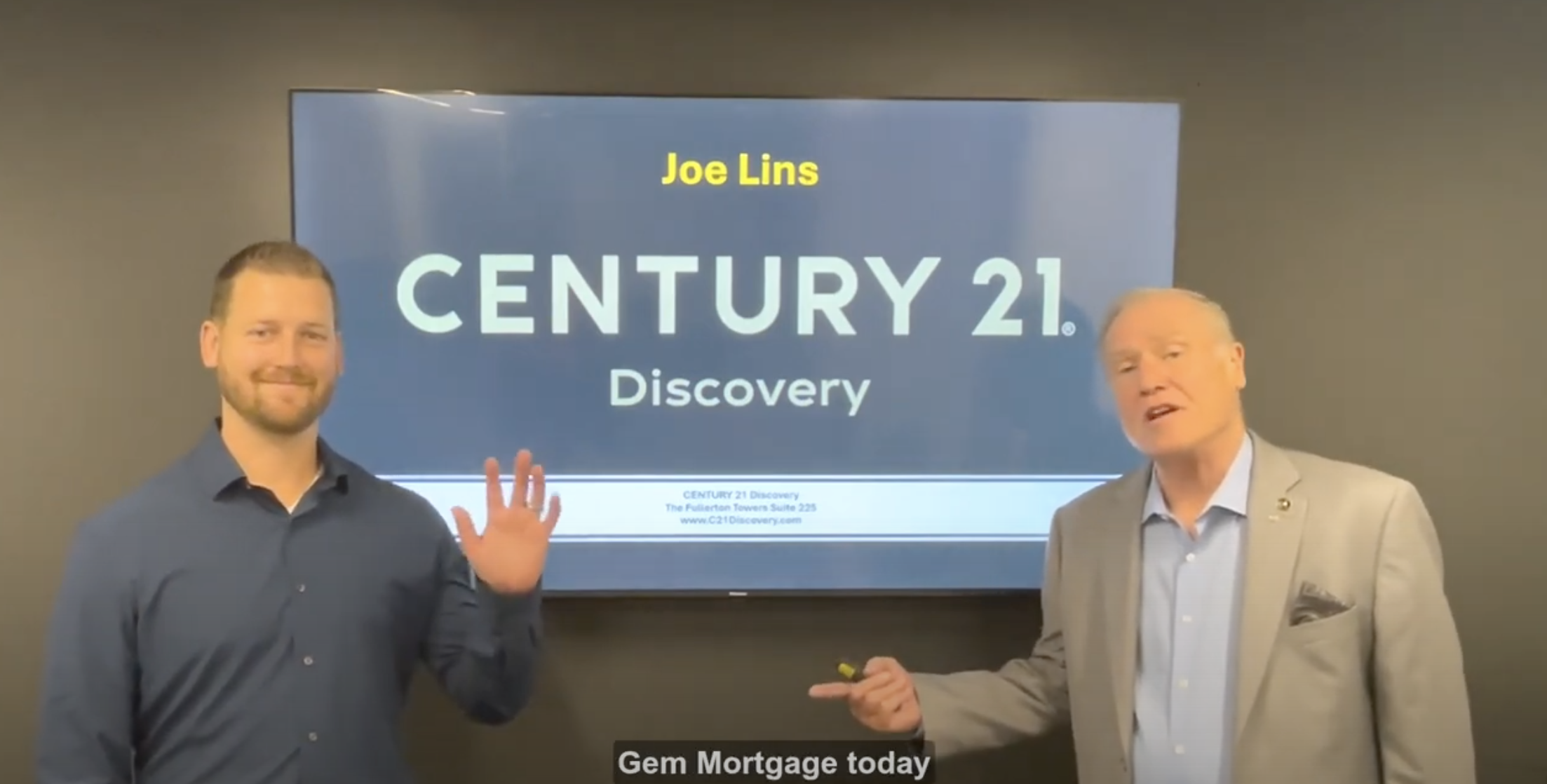
Recently, I had the pleasure of speaking with Ryan World from Gem Mortgage. We discussed the current mortgage landscape and what potential homebuyers need to know. For agents reading this, I encourage you to share this with your clients. Here’s a recap of what we covered in that conversation:

  • Different Loan Programs and Down Payments
  • Jumbo Loans
  • Current Interest Rates
  • Buying Now vs. Waiting to Buy
  • Having a Buyer Strategy
  • Why a Pre-Approval is Important

Different Loan Programs and Down Payments

Most people opt for conventional loans these days when it comes to loan programs. However, there are several options available:

  • VA Loans: Zero down payment.
  • FHA Loans: Requires a 3.5% down payment.
  • Conventional Loans: As low as 3% down unless it’s a high balance, which needs 5% down.
  • Jumbo Loans: Typically require around 20% down, though you can put less down for a higher interest rate.

Understanding Jumbo Loans

A jumbo loan is any amount exceeding the national conforming loan limit, which is currently $766,550 for Fannie Mae and Freddie Mac. These loans usually have better interest rates but are more challenging to qualify for.

Current Interest Rates

Interest rates are currently in the high sixes to low sevens. The market is quite volatile, and rates can change quickly based on economic indicators and Federal Reserve announcements. Recently, the Consumer Price Index released favorable news, causing a slight improvement in interest rates. However, market fluctuations are constant, and rates can shift based on new information.

Buying Now vs. Waiting for Lower Rates

A common question is whether to buy now or wait for interest rates to drop. Ryan suggests buying now, even with higher interest rates. The rationale is that if rates drop in the future, you can refinance. Waiting for lower rates could lead to increased home prices due to higher demand, making it more challenging to find a desirable property at a reasonable price.

The Importance of a Buyer Strategy

Buyers need a strategy, and one of the most crucial steps in buying a home is hiring the right REALTOR. A knowledgeable, competent real estate agent can guide you through the process to achieve your goals. Having a strategy in this fast-paced real estate market is important, and the right agent can help with this. Our CENTURY 21 Discovery agents are trained for exactly this!

Why Pre-Approval Matters

Getting pre-approved is essential. It helps you understand your budget, manage your expectations, and gives you confidence when working with your real estate agent as you start your home search. Knowing your financial standing upfront prevents disappointment and ensures you focus on homes within your price range.

Contact Information

Those interested in learning more about mortgage options or starting the pre-approval process can contact Ryan World at Gem Mortgage. His phone number is 714-569-3636, extension 2.  

Charge on!

You can watch the video of our conversation HERE.

You can listen to the conversation HERE.

Joe Lins

About the author: Joe Lins is President, CEO and Co-owner of CENTURY 21 Discovery. If you are interested in becoming part of the CENTURY 21 Discovery team or would like more information about our services, training and coaching we provide, contact Joe at 714.626.2069.

Celebrating Our 100th Blog Post!

By Joe Lins
June 21, 2024

As we mark our 100th blog post, we at CENTURY 21 Discovery are filled with gratitude and excitement. Over the past decade, we’ve had the privilege of sharing insights, experiences, and stories that have informed and inspired our readers and allowed us to reflect on our journey and growth in the real estate industry. This milestone is not just a number; it’s a testament to our commitment to providing valuable content that helps our community navigate the ever-evolving real estate landscape. Here’s a recap of our past 10 years of blogging.

Tips for Agents

Real estate agents are at the heart of our industry, and we’ve made it a priority to support their growth and development through our blog. Our posts have offered insights into effective marketing strategies, building strong client relationships, and staying updated with industry regulations and technology. One recent post on the sphere of influence highlighted how relationships are vital to their success.

Tips for Sellers

Our blog has consistently aimed to empower home sellers with the knowledge they need to make informed decisions. From the beginning, we’ve provided tips on staging homes to attract potential buyers, understanding market trends, and pricing strategies that maximize value. One memorable post shared the significance of curb appeal and how first impressions can set the tone for a successful sale. 

Tips for Buyers

Buying a home is one of the most significant investments a person can make, and we’ve dedicated numerous posts to guiding buyers through this complex process. We’ve covered everything from the importance of getting pre-approved fora mortgage to navigating bidding wars in a competitive market. Our posts have highlighted the value of home inspections, understanding closing costs, and the benefits of working with a knowledgeable real estate agent. 

Working Through COVID-19

The COVID-19 pandemic brought unprecedented challenges, and our blog became a crucial platform for sharing timely and relevant information. We provided updates on market conditions, virtual home tours, and safety protocols for in-person showings. Reflecting on this period, we’re proud that our content helped our community adapt to the new normal and continue their real estate journeys despite the obstacles.

Guest Bloggers

One of the highlights of our blog has been the diverse voices of guest bloggers we’ve had the pleasure of featuring. These industry experts, community leaders, and seasoned professionals have enriched our blog with their unique perspectives and expertise. From mortgage advisors offering financial tips to insurance brokers sharing the latest updates, our guest bloggers have provided invaluable insights that have broadened the scope and depth of our content. Their contributions have educated our readers and fostered a collaborative spirit within our real estate community.

Community Events

Century 21 Discovery is more than just a real estate company; we are an integral part of our community. Our blog has documented numerous community events, from local charity fundraisers to neighborhood businesses. These posts showcase our commitment to the community and foster a sense of connection and pride among our readers.

Looking Ahead

As we celebrate our 100th blog post, we look forward to continuing this journey with you. The real estate landscape will undoubtedly continue to evolve, and we are committed to being your trusted source of information and inspiration. We invite you to join us in reflecting on the past and embracing the future with enthusiasm and optimism.

Thank you for being a part of our journey. Here’s to many more posts, stories, and successes together!

Joe Lins

About the author: Joe Lins is President, CEO and Co-owner of CENTURY 21 Discovery. If you are interested in becoming part of the CENTURY 21 Discovery team or would like more information about our services, training and coaching we provide, contact Joe at 714.626.2069.

Why Every Real Estate Agent Should Attend Their Brokerage’s Sales Meetings

By Joe Lins
June 2, 2024

Century 21 Discovery sales meeting attendees

As a real estate agent, your time is valuable. Between showings, client meetings, and administrative tasks, it’s easy to see why attending your brokerage’s sales meetings might not always be a top priority. However, regularly participating in these meetings can be one of the most beneficial habits for your career. Here’s why:

Networking and Relationship Building

Sales meetings provide a golden opportunity to network with fellow agents and industry professionals. Building relationships within your brokerage can lead to collaborations, referrals, and a strong support system. It’s also a chance to learn from the experiences and insights of others, which can be incredibly valuable, especially for newer agents.

Staying Updated on Market Trends

The real estate market is dynamic, with trends and conditions changing frequently. Sales meetings often include updates on local market conditions, recent sales data, and economic factors affecting the industry. Staying informed about these trends allows you to provide accurate and timely advice to your clients, setting you apart as a knowledgeable and trustworthy agent.

Century 21 Discovery sales meeting discussing new forms

Learning and Development

Most brokerages use sales meetings for ongoing education and professional development. Whether it’s a new sales technique, marketing strategy, or technology tool, these sessions offer valuable learning opportunities to enhance your skills and increase efficiency. Continued education is essential for staying competitive in the real estate market.

Motivation and Accountability

Sales meetings can serve as a source of motivation. Hearing success stories and strategies from top-performing agents can inspire you to set and achieve higher goals. Regularly attending these meetings can help keep you accountable to your goals and commitments, providing a structured environment to track your progress.

Access to Resources and Support

Brokerages often use sales meetings to introduce new tools, resources, and support services available to their agents. This can include marketing materials, lead generation services, or new software platforms designed to make your job easier. Being present ensures you won’t miss out on these valuable resources.

Sharing and Receiving Feedback

Sales meetings are an excellent forum for sharing challenges and seeking advice from colleagues and management. Whether you’re struggling with a difficult client, a complex transaction, or need advice on a negotiation strategy, your peers and leaders can provide feedback and solutions. Likewise, sharing your own experiences and successes can contribute to the collective knowledge of the group.

Century 21 Discovery sales meeting discussing goals

Staying Aligned with Brokerage Goals

Regular attendance at sales meetings ensures that you are aligned with your brokerage’s goals, values, and strategies. It helps you understand the bigger picture and how your efforts contribute to the overall success of the team. This alignment can lead to a more cohesive and collaborative work environment, ultimately benefiting everyone involved.

Recognition and Incentives

Many brokerages use sales meetings to recognize and reward their agents’ achievements. This recognition can boost morale and provide a sense of accomplishment. Incentives such as awards or public acknowledgment of your hard work can motivate you.

Conclusion

While it may be tempting to skip out on sales meetings due to a busy schedule, the benefits of attending far outweigh the time investment. From networking and learning to staying updated on market trends and accessing valuable resources, these meetings play a crucial role in your professional development and success as a real estate agent. Make it a priority to attend your brokerage’s sales meetings and watch your career thrive. If you would like to sit in on one of our sales meetings, call me.

Joe Lins

About the author: Joe Lins is President, CEO and Co-owner of CENTURY 21 Discovery. If you are interested in becoming part of the CENTURY 21 Discovery team or would like more information about our services, training and coaching we provide, contact Joe at 714.626.2069.

Why Choose A CENTURY 21 Discovery Agent?

By Joe Lins
May 2, 2024

It seems like everyone knows someone who knows someone who is a real estate agent. There’s a lot of us around! When choosing an agent there are many things to consider and I’m going to tell you why you should choose a CENTURY 21 Discovery agent. I think we have the best agents around. I may be a little biased but I’ll lay out the reasons why I believe they are.

Local Market Knowledge

Our CENTURY 21 Discovery agents have a clear understanding of what is going on in your local real estate market. A good agent can find out what’s going on in the market with a little research. A great agent knows exactly what is going on in the market on a daily basis. You want an agent who has their hand on the pulse of the market. We instill in our agents the importance of the knowing the communities they serve by constantly educating themselves on local market activity. Their knowledge will empower you as you price your home, review and accept offers or make an offer on that dream home.

International Reach

A CENTURY 21 Discovery agent has access through the Century 21 system to a network of agents across the country and across the world. Our listings are placed on a global site that allows the user to view the listing in their own language. If you’re moving out of the area, our agents can tap into that database of international agents, vet them, and find just the right one to meet your needs.

Industry Education

Forms and protocols in the real estate industry are constantly evolving and changing. CENTURY 21 Discovery is known in the local real estate world as the leader in training agents. This allows our agents to have the most current and up-to-date knowledge of the forms, rules and laws that must be adhered to in a real estate transaction. All this will help you avoid headaches and delays throughout the homebuying or selling process.

Leader In Marketing

Marketing a home for sale has become a bit more sophisticated than just putting a sign in the yard and an ad in the local paper. CENTURY 21 Discovery agents have access to a suite of tools that allow them to market the listings at a high level, in numerous ways, giving you peace of mind and the results you expect.

Community Involvement

A huge part of our company culture is giving back to the communities we serve. We encourage our agents to actively engage in community service and philanthropy to demonstrate their commitment to the well-being of the community.  Their involvement allows them to establish themselves as the go-to resource for all things related to real estate in the community. Through this they gain a deeper understanding of local market trends, preferences, and developments. This insight is invaluable for effectively serving clients and providing them with relevant information about the area.

Who’s Your Realtor?

One final reason why you should choose a CENTURY 21 Discovery agent to guide you in the most important sale or purchase of your life is because they are REALTORS. Not all real estate agents are REALTORS. To become a REALTOR an agent must join the National Association of REALTORS and adhere to a strict code of ethics. So, the bar is set higher for an agent to be able to use the word “REALTOR” with their name. 

If you are interviewing agents for the sale or purchase of real estate, make sure to ask them about these things: local market knowledge, international reach, industry education, marketing tools they will use to sell your home, community involvement and if they are a REALTOR. If they can’t provide you with answers about all these areas of the business, give me a call. I have the perfect agent for you.

Joe Lins

About the author: Joe Lins is President, CEO and Co-owner of CENTURY 21 Discovery. If you are interested in becoming part of the CENTURY 21 Discovery team or would like more information about our services, training and coaching we provide, contact Joe at 714.626.2069.

Work Your SOI

By Joe Lins
April 21, 2024

Photo Courtesy of Canva Pro

Are you working your SOI? A strong sphere of influence is invaluable for a real estate agent’s business, providing a steady flow of referrals, repeat business and credibility. This contributes to and agent’s long-term success and growth. In our office meetings and training we talk a lot about reaching out to your Sphere of Influence. Many times, an agent will have a hard time wrapping their head around who is actually in their sphere of influence and how they should be reaching out to them. In this blog post we will give you some ideas of who to consider as your SOI and how to connect with them.

Who Is In Your SOI?

  • Members of your family
  • Members of your spouse’s family
  • Members of your extended family
  • Your best friend and their family
  • Your spouse’s best friend and their family
  • Your children’s friends parents
  • Your doctor, dentist, optometrist, veterinarian, pharmacist
  • Your hairstylist, barber, estetician, manicurist
  • Your CPA, attorney, insurance broker, financial planner, banker
  • Your neighbors
  • Your grocer, florist, jeweler
  • Your gardener, plumber, electrician, roofer
  • Your painter, window washer, appliance repair person
  • Your tailor, travel agent, pet groomer, pet sitter
  • Your children’s teachers, principals, coaches
  • Your Pastor, Priest, Minister, Rabbi
  • Your fellow members of organizations you belong to (Rotary, Elks, Chamber of Commerce, etc.)

The list goes on. I suggest sitting down with a notepad and going through the contacts on your phone to make a list of people you know, interact with or do business with. You already have their contact information so it will be easy to add them to your database.

Connect With Your SOI

Here are some ways you can connect with your sphere of influence:

Regular Communication

Keep in touch with your sphere of influence through regular communication channels such as phone calls, emails, newsletters, or even social media updates. Keep track of these communications in your CRM. At CENTURY 21 Discovery we have a CRM that syncs with your email contacts and can automatically add them to your database. This allows the agent to save time by avoiding duplicate effort of having to add them to the CRM. 

Personalized Messages

Tailor your messages to each individual in your sphere of influence to make them feel valued and appreciated. By keeping notes in your CRM about prior conversations, it allows you to pull up that information and refer to or comment about it in your next interaction. Personal touches like this can go a long way in building stronger relationships.

Social Media Engagement

Engage with your sphere of influence on social media platforms by commenting on their posts, sharing relevant content, and participating in discussions related to real estate or their interests.

Organize Events

Host events such as client appreciation parties, homebuyer seminars, or networking mixers to bring your sphere of influence together and strengthen connections in person.

Attend Events

Attending events will make you known in the community. A good place to start is your local Chamber of Commerce. They have networking events throughout the year. These are good opportunities to get to know other business people in the area. 

Provide Valuable Resources

Share helpful resources such as market updates, home maintenance tips, or local community information to demonstrate your expertise and provide value to your sphere of influence. You want to become their go-to resource for all things home and community.

Referral Programs

Implement referral programs to incentivize your sphere of influence to refer friends, family, or colleagues who may be in need of real estate services.

Personal Meetings

Schedule face-to-face meetings with individuals in your sphere of influence to catch up, discuss their real estate needs or goals, and offer your assistance. Meeting for lunch, coffee or a glass of wine will give the encounter a nice touch.

Send Personalized Gifts

Surprise your sphere of influence with thoughtful and personalized gifts or cards on special occasions such as birthdays, holidays, or anniversaries to show appreciation and strengthen your relationship. Again, using your CRM to keep track of their special dates makes this process much easier.

Volunteer in the Community

Get involved in community events or charitable activities that are important to you. Your sphere of influence will see your commitment to giving back and you may also meet new people you can add to your sphere. 

Follow-Up and Follow-Through

Always follow up with your sphere of influence after any interaction, whether it’s a phone call, meeting, or event attendance. Additionally, ensure you follow through on any promises or commitments you make to maintain trust and credibility.

By implementing these strategies, real estate agents can foster deeper connections with their sphere of influence, leading to increased referrals, repeat business, and long-term success.

Joe Lins

About the author: Joe Lins is President, CEO and Co-owner of CENTURY 21 Discovery. If you are interested in becoming part of the CENTURY 21 Discovery team or would like more information about our services, training and coaching we provide, contact Joe at 714.626.2069.

Avoiding Delays in Escrow

By Amy Leonhardt
April 2, 2024

For Sale sign with "In Escrow" sign attached
Photo Courtesy of Canva Pro

Navigating the escrow process efficiently is crucial to ensure a smooth and timely transaction for your client. Delays in escrow can be frustrating for all parties involved and can potentially derail an otherwise-simple sale. To minimize the possibility of delays, keep the following strategies top-of-mind:

Thorough Preparation: 

Before escrow begins, ensure all necessary documents are in order. This includes Preliminary Title Reports, list of transaction details, property inspections, any entity documentation if applicable, and disclosures. Providing escrow with contact information for your client means the earnest money deposit can be sent in quickly and escrow packages can be sent out seamlessly. Anticipating what is needed and having it ready can save valuable time in the transaction.

Effective Communication: 

Keep open lines of communication with all parties, including buyers, sellers, lenders, and escrow officers. Regular updates can prevent misunderstandings and provide opportunities to address any potential issues promptly before they become major headaches. A timeline that outlines key dates, such as inspection periods and loan approval deadlines, can help keep everyone on the same page. If there are any questions during the escrow process, reach out to your escrow officer for clarification or correction.

Understanding Financing: 

Delays often occur due to financing issues. Buyer’s agents should familiarize themselves with the client’s financial situation and the specifics of their loan process. Encourage buyers to get pre-approved by a reliable lender and to understand their loan timeline.

Proactive Problem-Solving: 

Issues such as repairs following an inspection can cause delays. By proactively addressing these issues and quickly providing any addendums to escrow, the transaction moves seamlessly on to the next stage.

Expert Assistance: 

Of course, things don’t always go as planned, and when complex issues arise, don’t hesitate to seek help from experienced professionals like a title officer, tax advisor, or legal expert when needed. Their expertise can be invaluable in navigating complex situations. 

With everyone working toward the same goal–a timely closing and happy clients–keeping these simple strategies in mind will ensure a positive outcome. 

About the author: Amy Leonhardt is an escrow assistant for Equity Escrow Group, Ltd. in Fullerton, California. For more information on the services provided by Equity Escrow Group please contact them at 714.626.2095 or visit their website www.equityescrowgroup.com