finance

A Real Estate Agent’s Guide to Working with the Lender

By Ryan World
October 2, 2026

Working with a qualified buyer involves more than getting a pre-approval letter and starting the home search. A good working relationship between the real estate agent and lender can help identify potential issues early, keep the transaction moving, and avoid surprises as you get closer to closing.

As the agent, you don’t need to know every detail of the lending process. But you should know which questions to ask and when. Here are some best practices to follow from your first meeting with a buyer all the way through funding.

Start With a True Pre-Approval

When you first meet with a potential buyer, ask if they have been pre-approved by a lender. If they say yes, don’t stop there. Dig a little deeper.

Ask whether they submitted income and asset documentation and whether the lender ran their credit. Some buyers believe they have been pre-approved when they have actually only been prequalified based on verbal information that hasn’t been verified yet.

That distinction matters. Once the lender verifies the buyer’s documentation, what the buyer actually qualifies for could look very different.

Before you invest time showing homes, make sure your buyer has gone through a thorough pre-approval process.

Know What Your Buyer Qualifies For

Once your buyer is pre-approved, communicate directly with the lender. Confirm the maximum sales price and the type of financing the buyer plans to use.

This is especially important because not every loan program works with every property.

For example, if your buyer is using FHA or VA financing and is interested in a condominium, you’ll want to determine whether that property meets the applicable financing requirements before getting too far into the process.

Knowing the details upfront can help you focus your buyer’s search on properties that are a realistic fit.

Before You Write the Offer, Call the Lender

You’ve found the house, and your buyer is ready to write. Before submitting the offer, call the lender again.

Give them the subject property address and property type to confirm the loan program works for that property.

This is also the time to discuss timelines. Ask how much time the lender anticipates needing for the appraisal, loan approval, and funding. Different loan programs and individual borrower circumstances can affect those timelines.

Don’t automatically plug standard dates into the offer. Talk to the lender first, so you know what is realistic for that particular buyer and loan.

Once You’re in Contract, Don’t Wait

As soon as you have a fully executed Residential Purchase Agreement (RPA), send it to the lender along with the Buyer Representation and Broker Compensation Agreement (BRBC), as applicable.

The sooner the lender has the necessary documentation, the sooner they can begin working toward the important financing milestones in the transaction.

And don’t assume that no news is good news. Stay in communication with the lender throughout the process.\

Check The Appraisal — Not Just the Value

When the appraisal comes in, there are a few important questions to ask.

The main ones being: Did the property appraise at an acceptable value? Did the appraisal come back “as is”?

If the appraisal is subject to repairs or other requirements, those items may need to be addressed before the loan can move forward. Finding that out quickly gives everyone more time to determine the next steps.

“Loan Approved” Doesn’t Mean You’re Done

Hearing that the loan has been approved is great news, but don’t assume that means the transaction is guaranteed to close.

Initial underwriting approvals typically come with conditions. Some may be relatively simple, such as providing additional documentation or a letter of explanation for an old address on a credit report. Others can be problematic, such as resolving a judgment or lien against the buyer.

Ask the lender whether there are any conditions that could be concerning or potentially affect the transaction timeline.

Keep Checking in Until Funding

As you approach closing, keep communicating with the lender and confirm the remaining milestones are on track.

Check on the status of the Closing Disclosure, final loan documents, and funding. There may also be mandatory waiting periods that need to be factored into the closing timeline.

The finish line may be in sight, but this isn’t the time to stop paying attention.

Final Thoughts

A good lender is an important part of your buyer’s real estate team, but a good agent doesn’t simply hand the buyer off to the lender and wait for updates.

Stay involved, ask questions, know the important deadlines, and keep the lines of communication open throughout the transaction.

When the agent and lender work together from pre-approval through funding, they’re much more likely to identify potential problems early, manage expectations, and keep the transaction moving toward a successful closing.

Ryan World is a Loan Originator with World Mortgage Group, a division of Golden Empire Mortgage, NMLS# 1164750. For more information about home financing you may contact him at (714) 569-3636 ext. 2 or email rworld@gemcorp.com.


Mid-Year Business Check-up: Is your real estate business on track?

By Stephanie Goedl
July 10, 2026

Summer is the perfect halfway point to evaluate your goals and check in to see if your real estate business is on track to achieve them. If not, this is the time to either adjust those goals or tweak the activities that will move you toward them. This requires an honest assessment of all aspects of your business.

Photo courtesy of Canva Pro

Review Production Numbers

Start with an overview of your business, beginning with how much money you’ve earned so far this year. From there, break it down by the number of listings you took, listings sold, buyers you worked with, and buyer transactions. Include any rental transactions, separating them by rental listings and tenant placement. Assign the amount earned to each of them.

What’s in your Pipeline?

Your pipeline consists of prospective buyers and sellers you are working with. You must have a clear understanding of where they are in the buying or selling process. Will they be ready to go in a week, a month, or a year? Identify what they need to do to be ready to move to the next stage. This will help you nurture and guide them while developing a relationship. Having a clear understanding of your pipeline will help you predict future revenue.

Identify Lead Sources That Convert

Once you have an overview of your earnings year-to-date and the type of transaction associated with it, it’s time to take a deeper dive into how you got there. Write down the initial source for each of those transactions. Was it from your phone calls, walking your farm, a networking event, a conversation in the grocery store, a social media post or ad, or a referral? If it was a referral, was it from a family member, a friend, or a past client? Match each lead that resulted in a closed transaction to its activity. This will give you a clear picture of which lead sources are generating income. You’ll also want to identify the lead source for each prospect in your pipeline, as you’ll need that information when you repeat this process in six months.

Create a Roadmap for the Second Half of the Year

Now go back to your goals to see whether your current activities will get you there. Identify the activities that will generate leads to keep you on track to reach those goals. The key is to put those activities on your calendar and stay laser-focused on them. This will be your roadmap for the rest of the year. Share your goals and that roadmap with someone who can be your accountability partner. Stay the course, and you’ll be celebrating come December 31st and beyond.

Stephanie Goedl

About the author: Stephanie Goedl is Chief Operating Officer and Broker/Owner of CENTURY 21 Discovery. If you are interested in becoming part of the CENTURY 21 Discovery team or would like more information about our services we provide contact us at 714.626.2000 or Careers@C21Discovery.com.

What’s Going On With Mortgages?

By Joe Lins
July 21, 2024

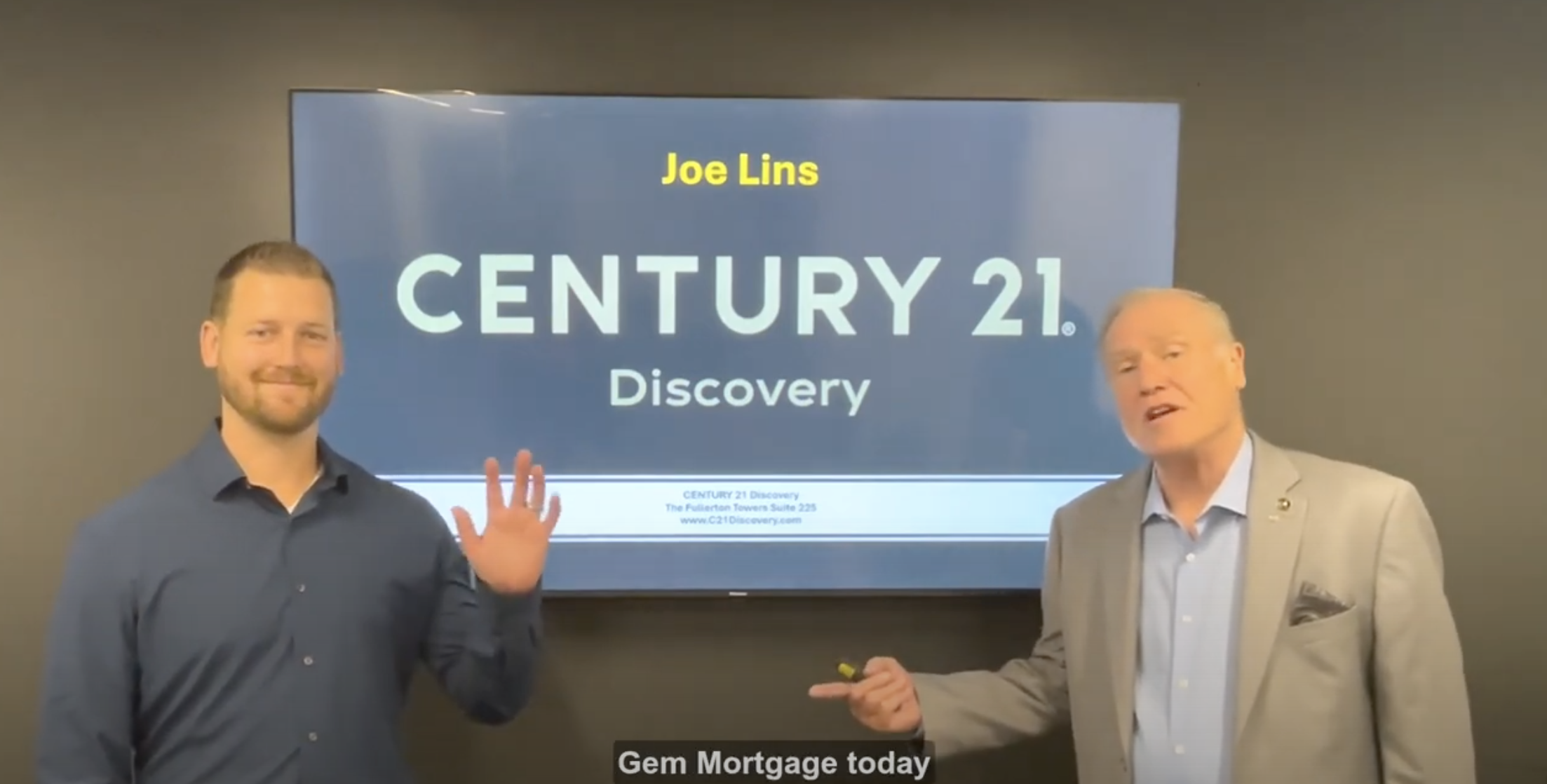
Recently, I had the pleasure of speaking with Ryan World from Gem Mortgage. We discussed the current mortgage landscape and what potential homebuyers need to know. For agents reading this, I encourage you to share this with your clients. Here’s a recap of what we covered in that conversation:

  • Different Loan Programs and Down Payments
  • Jumbo Loans
  • Current Interest Rates
  • Buying Now vs. Waiting to Buy
  • Having a Buyer Strategy
  • Why a Pre-Approval is Important

Different Loan Programs and Down Payments

Most people opt for conventional loans these days when it comes to loan programs. However, there are several options available:

  • VA Loans: Zero down payment.
  • FHA Loans: Requires a 3.5% down payment.
  • Conventional Loans: As low as 3% down unless it’s a high balance, which needs 5% down.
  • Jumbo Loans: Typically require around 20% down, though you can put less down for a higher interest rate.

Understanding Jumbo Loans

A jumbo loan is any amount exceeding the national conforming loan limit, which is currently $766,550 for Fannie Mae and Freddie Mac. These loans usually have better interest rates but are more challenging to qualify for.

Current Interest Rates

Interest rates are currently in the high sixes to low sevens. The market is quite volatile, and rates can change quickly based on economic indicators and Federal Reserve announcements. Recently, the Consumer Price Index released favorable news, causing a slight improvement in interest rates. However, market fluctuations are constant, and rates can shift based on new information.

Buying Now vs. Waiting for Lower Rates

A common question is whether to buy now or wait for interest rates to drop. Ryan suggests buying now, even with higher interest rates. The rationale is that if rates drop in the future, you can refinance. Waiting for lower rates could lead to increased home prices due to higher demand, making it more challenging to find a desirable property at a reasonable price.

The Importance of a Buyer Strategy

Buyers need a strategy, and one of the most crucial steps in buying a home is hiring the right REALTOR. A knowledgeable, competent real estate agent can guide you through the process to achieve your goals. Having a strategy in this fast-paced real estate market is important, and the right agent can help with this. Our CENTURY 21 Discovery agents are trained for exactly this!

Why Pre-Approval Matters

Getting pre-approved is essential. It helps you understand your budget, manage your expectations, and gives you confidence when working with your real estate agent as you start your home search. Knowing your financial standing upfront prevents disappointment and ensures you focus on homes within your price range.

Contact Information

Those interested in learning more about mortgage options or starting the pre-approval process can contact Ryan World at Gem Mortgage. His phone number is 714-569-3636, extension 2.  

Charge on!

You can watch the video of our conversation HERE.

You can listen to the conversation HERE.

Joe Lins

About the author: Joe Lins is President, CEO and Co-owner of CENTURY 21 Discovery. If you are interested in becoming part of the CENTURY 21 Discovery team or would like more information about our services, training and coaching we provide, contact Joe at 714.626.2069.