Home for the Holidays: 5 Ways to Connect with Clients and Friends

By Stephanie Goedl
November 21, 2024

The holidays are a perfect time for real estate agents to nurture relationships meaningfully and authentically. By connecting with your sphere of influence during this season, you’re not just spreading holiday cheer but also laying the foundation for a successful year ahead. Here are 5 ways to connect with your clients and friends.

Send a Personalized Holiday Card

Nothing beats a handwritten note in today’s digital age. A warm, personalized holiday card can show your sphere of influence that you value them beyond transactions. Include:

  • A heartfelt message expressing gratitude for their support.
  • A quick update on the local market or your business.
  • A subtle call-to-action, like inviting them to reach out for any real estate needs in the new year.

Pro Tip: For past clients, reference a memorable moment from their home purchase or sale to make the card extra special.

Host a Holiday Client Appreciation Event

Organize a festive gathering to show appreciation to your clients and community. Ideas include:

  • A hot cocoa and cookie decorating party for families.
  • A wine and cheese evening for adults.
  • A “Photos with Santa” event where families can drop by for free professional photos.

This type of event creates goodwill and keeps your name top of mind in a festive, low-pressure way.

Share a Thoughtful Gift or Pop-By

Delivering small, thoughtful gifts can make a big impact. Consider:

  • Holiday-themed candles, ornaments, or baked goods.
  • A small branded calendar or magnet with market tips for the coming year.
  • Attach a tag with a simple message like, “Thinking of you this holiday season. Let me know how I can help in the new year!”

Use Social Media to Spread Cheer

Post engaging, festive content that adds value and connects personally. For example:

  • Host a giveaway for a local business gift card.
  • Share local holiday events or real estate tips for winterizing homes.
  • Post a heartfelt video thanking your followers and clients for their trust and support.

Encourage interactions by asking fun holiday questions like, “What’s your favorite holiday tradition?”

Call or Text to Check In

Take a moment to personally reach out to key contacts in your sphere. A short phone call or friendly text wishing them a happy holiday season can go a long way. For clients, it’s an opportunity to ask how their home is working for them and subtly remind them of your services without being salesy.

Pro Tip: Use these conversations to update your contact database with new addresses or life updates, like a new baby or job.

Conclusion

The holiday season is more than a time for celebration—it’s a golden opportunity to strengthen the relationships that fuel your real estate business. By reaching out with thoughtful gestures and authentic connections, you remind your sphere of influence that you’re more than just an agent—you’re a trusted resource and a friendly face they can count on. 

Stephanie Goedl

About the author: Stephanie Goedl is Chief Operating Officer and Broker/Owner of CENTURY 21 Discovery. If you are interested in becoming part of the CENTURY 21 Discovery team or would like more information about our services we provide contact us at 714.626.2069 or Careers@C21Discovery.com.

Email Etiquette for Real Estate Agents

By Suzy Lins
October 21, 2024

Mastering Email Etiquette for Real Estate Success

In the fast-paced world of real estate, email remains one of the most important tools for communication with clients, fellow agents, vendors and your support team. How you handle your email interactions can significantly impact how you’re perceived in the industry. From building trust with clients to coordinating with colleagues, mastering email etiquette helps ensure that your messages are professional, clear, and effective. Here are some key email etiquette tips to keep in mind as a real estate professional.

Response Time: How Quickly Should You Reply?

In real estate, time is often of the essence, especially when dealing with active buyers, sellers, and time-sensitive transactions. Ideally, aim to respond to emails within 24 hours. For inquiries regarding new listings or client questions, a quicker response—within a few hours—can make all the difference in securing or retaining business. If you need more time to gather information, send a quick acknowledgment like, “Thanks for your email, I’ll get back to you by [date/time].” This reassures your client that you’re on top of things and builds confidence in your reliability.

Crafting the Right Greeting for Clients and Colleagues

First impressions are key, especially when interacting with potential clients, fellow agents, or service providers. When emailing clients for the first time or addressing colleagues within your brokerage, a formal greeting like “Dear [Name]” or “Good afternoon [Name]” sets a professional tone. For ongoing clients or close colleagues, a more casual “Hi [Name]” is appropriate, but avoid overly casual greetings like “Hey,” as this can come across as unprofessional. Each interaction is an opportunity to reinforce your professionalism

Professional Email Signature: Make It Count

Your email signature in real estate serves as an extension of your brand and provides essential information. At a minimum, include your full name, title (e.g., Realtor®, Broker), the name of your brokerage, phone number, and a link to your website or social media profiles (such as LinkedIn or Instagram if relevant to your client base). You may also need to include your professional license number, depending on your region. Keep your signature simple and easy to read. Long, complicated signatures can overwhelm recipients, making important details harder to find.

Ending Emails with a Polished Sign-Off

Your email sign-off is just as important as your greeting. Common professional sign-offs in real estate include phrases like “Best regards,” “Sincerely,” or “Thank you.” These sign-offs convey respect and professionalism, leaving the recipient with a positive impression. Steer clear of overly casual or personal sign-offs like “Cheers” or “Take care,” unless you’re certain it fits the relationship you have with the client or colleague.

The “Reply All” Feature: Use with Caution

The “Reply All” function is often overused and can lead to unnecessary email clutter. In real estate, where many transactions involve multiple parties—clients, agents, escrow officers, lenders—it’s easy to flood inboxes with replies. Before hitting “Reply All,” ask yourself if everyone on the email chain needs to see your response. If not, reply directly to the necessary individual(s). Keeping email chains clean and focused can save time and avoid overwhelming your colleagues or clients with irrelevant information.

Conclusion

By following these email etiquette guidelines, real estate agents can ensure their communication is clear, professional, and effective, leading to better client relationships and smoother transactions. In an industry where time and trust are everything, mastering email communication can set you apart and contribute to long-term success.

About the author: Suzy Lins is the Communications Director for CENTURY 21 Discovery and a Business Etiquette Consultant. For more information about CENTURY 21 Discovery you may call (714) 626-2000.

Who Are You Listening To?

By Joe Lins
September 21, 2024

In today’s world, real estate information is everywhere—national news channels, online blogs, podcasts, social media influencers, and even dinner table conversations. With so many sources of information, it can be easy to get overwhelmed or misled. But whether you’re a real estate agent, buyer, seller, or just someone interested in the housing market, one important question remains: Who are you listening to for your real estate advice?

Getting information from the wrong sources can not only confuse you but may also lead to poor decisions when buying or selling property. Understanding where to find accurate, trustworthy, and relevant information is the key to making smart real estate choices.

For Real Estate Agents: Local Expertise Over National Pundits

As a real estate agent, your expertise and reputation are built on the knowledge you provide to clients. One of the biggest missteps agents can make is relying too heavily on national news for market updates. While national outlets may offer an overview of trends, they don’t account for the unique intricacies of local markets. What happens in Florida or New York doesn’t necessarily reflect the conditions in Southern California—or anywhere else, for that matter.

Instead, agents should rely on trusted local sources like their broker, regional MLS (Multiple Listing Service), or local Realtor associations. These resources offer timely, precise data and trends that reflect the reality of your local market. Your broker can provide valuable insights about local laws, regulations, and market conditions that are essential for your clients. Having this localized knowledge will improve your credibility as an agent and also equip you to provide the most accurate information to your clients.

For Buyers and Sellers: Listen to Your Trusted Realtor

If you’re a buyer or seller, your choice of whom to listen to can significantly impact the success of your real estate transaction. Too often, buyers and sellers make the mistake of basing their expectations on what they hear from national news sources or even a family member who heard something on the news. However, California’s real estate market, for example, operates very differently from other parts of the country. News stories about falling prices or interest rates might apply in other states, but they might not tell the full story in your local area.

Buyers and sellers should always turn to a licensed, experienced real estate agent in their community. A trusted agent understands the local market dynamics—like housing inventory, price fluctuations, and buyer demand—better than any broad national report. They can also provide personalized advice based on your unique situation. If you’re buying, they’ll help you navigate competitive offers, while if you’re selling, they’ll guide you on pricing strategy and the best time to list.

Your agent’s insights will be tailored specifically to your market, making them far more valuable than the one-size-fits-all approach often presented by news outlets or online forums.

Why Local Expertise Matters

The key takeaway for both agents and consumers is that real estate is inherently local. Trends, property values, and even buyer behavior can vary widely from city to city, even from neighborhood to neighborhood. Listening to experts who understand your market is crucial for making informed decisions.

For real estate agents, staying connected to local data and continuing education through your brokerage or professional organizations will ensure you are giving your clients the best advice. For buyers and sellers, working with a local agent who has their finger on the pulse of your community can make the difference between a successful transaction and a missed opportunity.

So next time you’re scrolling through your news feed or hearing about national housing trends, pause and ask yourself: Who am I listening to?

By focusing on local expertise and working with trusted professionals in your community, you can avoid the pitfalls of misinformation and make smarter, more informed real estate decisions. Whether you’re an agent advising clients or a buyer/seller navigating the market, remember that local knowledge is everything in real estate.

Joe Lins

About the author: Joe Lins is President, CEO and Co-owner of CENTURY 21 Discovery. If you are interested in becoming part of the CENTURY 21 Discovery team or would like more information about our services, training and coaching we provide, contact Joe at 714.626.2069.

Pre-Qualified vs. Pre-Approved: Which is Better for your Buyer?

By Joe Lins
August 21, 2024

In the home buying process, having your buyers understand the difference between being pre-qualified and pre-approved can significantly impact their ability to secure the home of their dreams. While both terms are often used interchangeably, they represent different levels of financial readiness and influence how seriously sellers will consider their offer.

During a recent episode of Market Matters, I talked with Ryan World from World Mortgage Group about this topic. Here’s what your clients need to know about pre-qualification and pre-approval and why one might be better for them in today’s real estate market.

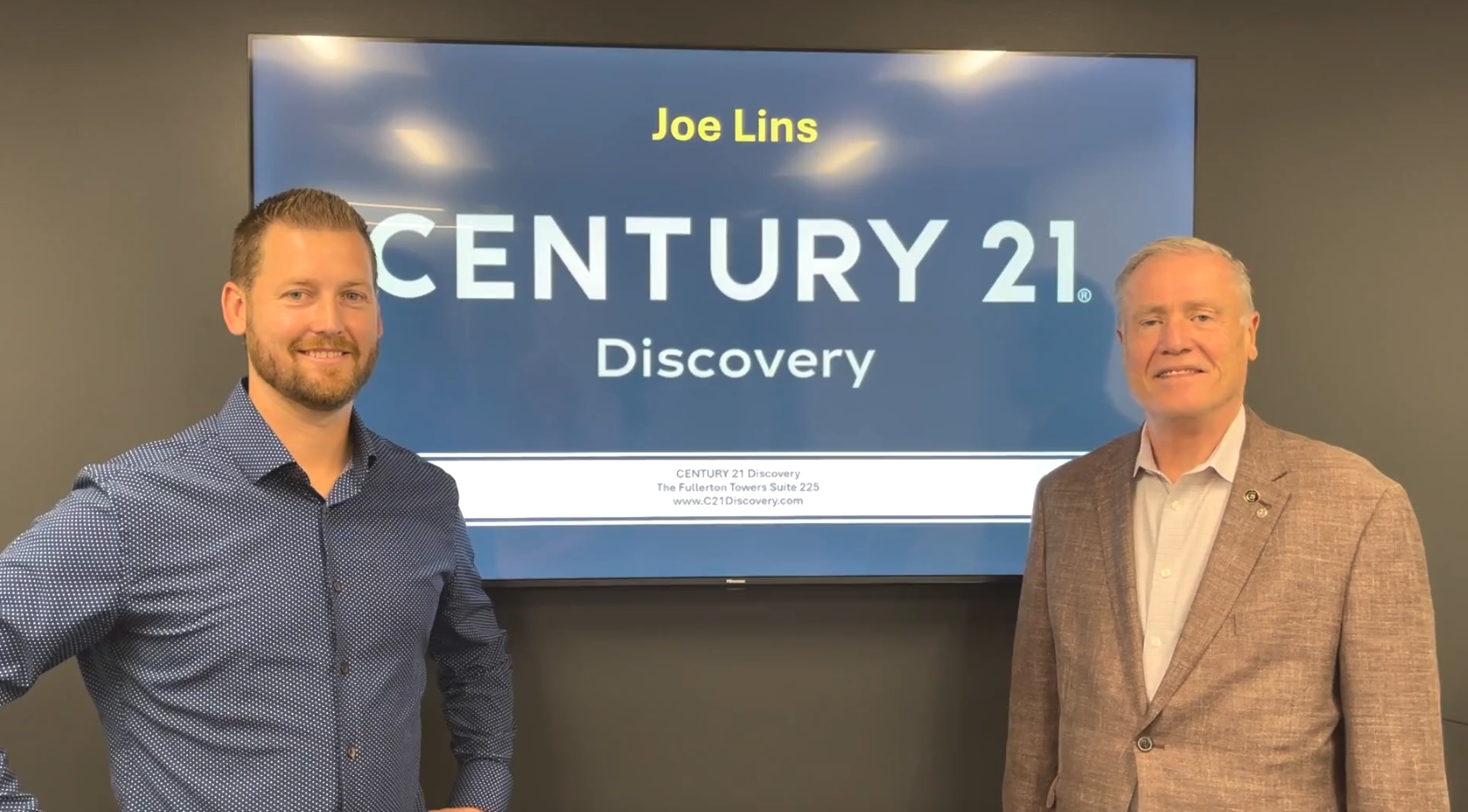
Ryan World and Joe Lins – Market Matters Interview

What is Pre-Qualification?

Pre-qualification is often the first step in the mortgage process. It involves a simple, informal conversation between the buyer and the lender. According to Ryan World, this step gives them a basic idea of what the buyer might be able to borrow based on the information provided, such as income, assets, and debts. However, it’s important to note that pre-qualification doesn’t involve any formal verification of their financial status.

“Pre-qualification is just a verbal conversation,” says World. “I’m not a huge fan of it because it doesn’t give me everything I need to figure out how high of a sales price they qualify for or what loan programs they qualify for.” In essence, pre-qualification is an estimate—it’s helpful for getting a rough idea of their buying power but lacks the certainty that a more formal process would provide.

What is Pre-Approval?

On the other hand, pre-approval is a much more thorough process. It involves a detailed review of the applicant’s financial situation, including a credit check, verification of income and assets, and a more in-depth assessment of the applicant’s ability to repay the loan. This process results in a pre-approval letter, which the applicant can present to sellers as proof that they are a serious and qualified buyer.

“Pre-approval is much stronger,” explains World. “I look at their income documents, I look at their asset documents, and then we sit down and go over what they qualify for. This is all accurate stuff.”

Having a pre-approval letter in hand gives them the confidence to make offers and makes that offer more attractive to sellers. This can be the difference between securing the home they want and losing out to another buyer in competitive markets.

Why Pre-Approval is Often the Better Choice

When it comes to buying a home, pre-approval is typically the better option. As World points out, sellers are more likely to favor buyers who have been pre-approved because it shows that they are financially prepared to make a serious offer. Without pre-approval, they may struggle to compete against other buyers who have taken this step.

Moreover, pre-approval allows them to act quickly when they find the right property. Instead of waiting to go through the approval process after making an offer, they can move forward with confidence, knowing that their financing is already in place.

Final Thoughts

At Century 21 Discovery, we place a strong emphasis on strategy. Whether your clients are buying now or planning for the future, getting them pre-approved should be a key part of their homebuying strategy. It strengthens their offer and gives them peace of mind, knowing exactly where they stand financially.

If your client is considering purchasing a home in the next year, it’s never too early to get them pre-approved. If you need to connect them with a trusted lender, I highly recommend Ryan World and his team at World Mortgage Group. Here’s their contact info: Ryan World: 714-569-3636 Ext. 2

Joe Lins

About the author: Joe Lins is President, CEO and Co-owner of CENTURY 21 Discovery. If you are interested in becoming part of the CENTURY 21 Discovery team or would like more information about our services, training and coaching we provide, contact Joe at 714.626.2069.

Why Buyer Presentations Are Essential

By Joe Lins
August 2, 2024

The way we do business with Buyers is changing. Before we put the Buyer Representation and Broker Compensation Agreement (BRBC) in front of a Buyer to sign, we need to show the value and service we provide as a buyer’s agent. A well-prepared buyer presentation can be a game-changer, providing them with the insights and confidence they need to make informed decisions. 

Here’s an overview of what should be included in a comprehensive buyer presentation and why they should choose you as their agent.

Market Knowledge

A key reason to have me as your buyer’s agent is my extensive market knowledge. I am well-versed in:

  • Inventory of Homes: As your agent I have access to a wide range of properties, including those not yet listed publicly. This access allows you to see a broader selection of homes that fit your criteria.
  • Market Conditions: Understanding whether it’s a buyer’s or seller’s market can significantly influence your purchasing strategy. As your agent I can provide current data on market trends, giving you a competitive edge.
  • Comparable Sales: Knowing the sales prices of similar homes in the area helps you make a fair offer and avoid overpaying.

Local Expertise

Beyond just the market, local expertise is another critical factor:

  • Community Insights: As an agent who knows the community, I can offer invaluable information about the neighborhood, including schools, parks, amenities, and future developments that might impact your decision.
  • City Ordinances and Codes: Navigating local regulations can be complex. A knowledgeable agent can ensure that the properties you’re considering comply with all local laws, saving you potential headaches down the line.

Industry Knowledge and the Home Buying Process

Navigating the real estate industry requires familiarity with various forms, contracts, and processes. As your agent I will guide you through it all:

  • Forms and Contracts: Real estate transactions involve a significant amount of paperwork. As your agent I will ensure that all documents are correctly completed and submitted, protecting your interests.
  • Home Buying Process: From submitting offers to negotiating terms, I handle the intricate details, including collaboration with other agents and working with title companies, escrow companies, lenders, inspectors, and insurance companies. My relationships with these service providers will help ensure a smooth transaction.

What I Will Do for You

An agent’s role extends beyond simply finding a home. Here’s what I offer:

  • Personalized Service: I will listen to your needs and preferences, tailoring your search to find homes that match your criteria.
  • Professional Network: With connections to other professionals in the industry, I can recommend trusted inspectors, lenders, and other service providers, making the process seamless.
  • Negotiation Skills: As an experienced agent I know how to negotiate effectively on your behalf, striving to get you the best possible outcome.
  • Support and Guidance: From the initial search to closing, I will be there to answer questions, provide advice, and support you through every step of the home buying journey.

Highlighting Agent Experience and Credentials

A buyer presentation should also include detailed information about the agent’s background and qualifications:

  • Experience: How long have you been in the industry? What is your track record of success with buyers in your area?
  • Certifications: Relevant certifications should also be included, such as Accredited Buyer’s Representative (ABR), Certified Residential Specialist (CRS), or others that demonstrate a commitment to your profession and ongoing education.
  • Client Testimonials: Positive feedback from previous clients can provide insights into the effectiveness and client satisfaction.

In conclusion, a buyer presentation is more than just an overview of the home buying process; it’s a comprehensive guide that equips the Client with the knowledge needed to make the decision to hire you as their agent. At Century 21 Discovery we have a Buyer Presentation that can be personalized for each agent. Reach out to me to learn more about how I can help you prepare for the new way of working with Buyers.

Joe Lins

About the author: Joe Lins is President, CEO and Co-owner of CENTURY 21 Discovery. If you are interested in becoming part of the CENTURY 21 Discovery team or would like more information about our services, training and coaching we provide, contact Joe at 714.626.2069.

What’s Going On With Mortgages?

By Joe Lins
July 21, 2024

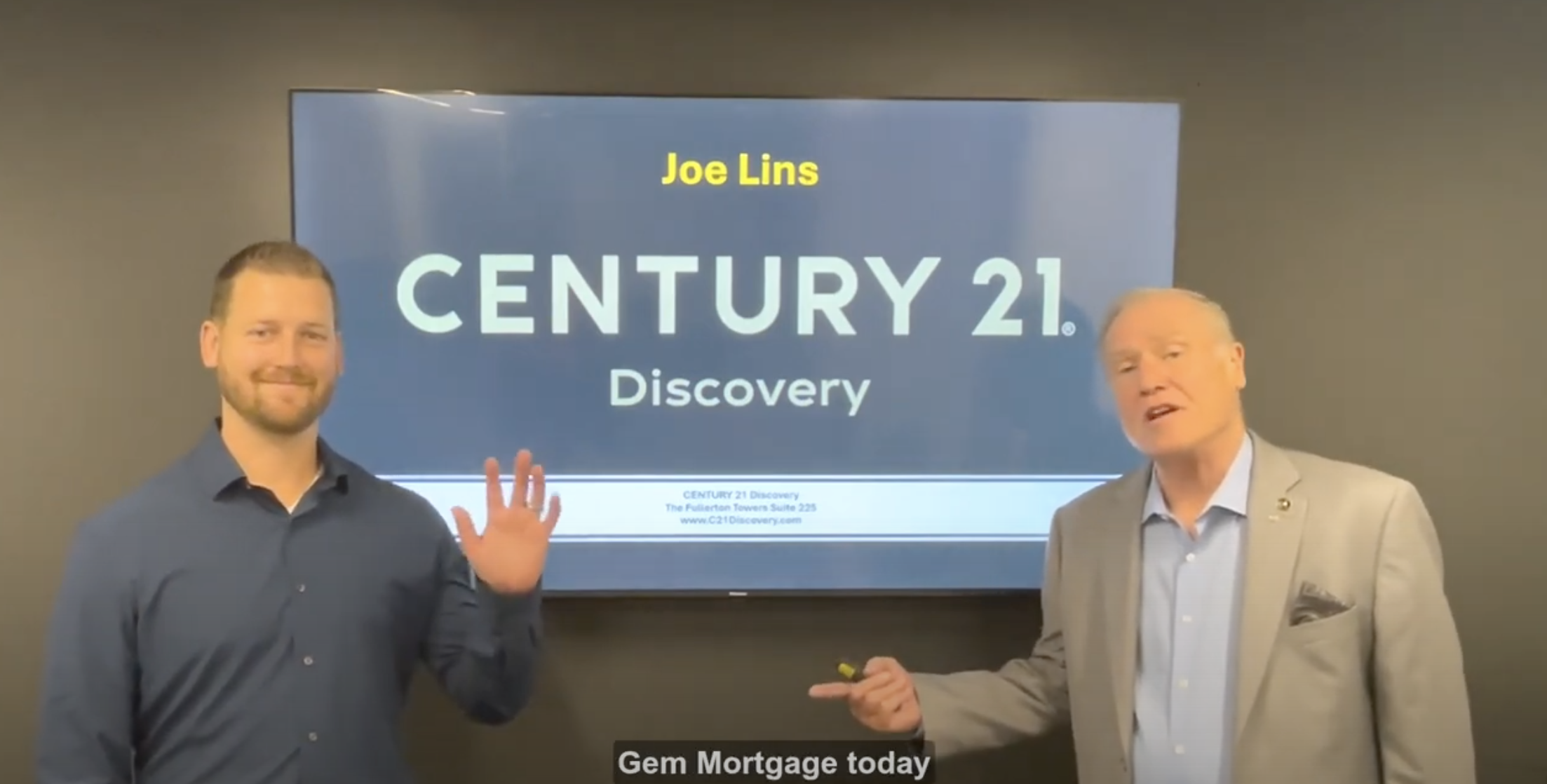
Recently, I had the pleasure of speaking with Ryan World from Gem Mortgage. We discussed the current mortgage landscape and what potential homebuyers need to know. For agents reading this, I encourage you to share this with your clients. Here’s a recap of what we covered in that conversation:

  • Different Loan Programs and Down Payments
  • Jumbo Loans
  • Current Interest Rates
  • Buying Now vs. Waiting to Buy
  • Having a Buyer Strategy
  • Why a Pre-Approval is Important

Different Loan Programs and Down Payments

Most people opt for conventional loans these days when it comes to loan programs. However, there are several options available:

  • VA Loans: Zero down payment.
  • FHA Loans: Requires a 3.5% down payment.
  • Conventional Loans: As low as 3% down unless it’s a high balance, which needs 5% down.
  • Jumbo Loans: Typically require around 20% down, though you can put less down for a higher interest rate.

Understanding Jumbo Loans

A jumbo loan is any amount exceeding the national conforming loan limit, which is currently $766,550 for Fannie Mae and Freddie Mac. These loans usually have better interest rates but are more challenging to qualify for.

Current Interest Rates

Interest rates are currently in the high sixes to low sevens. The market is quite volatile, and rates can change quickly based on economic indicators and Federal Reserve announcements. Recently, the Consumer Price Index released favorable news, causing a slight improvement in interest rates. However, market fluctuations are constant, and rates can shift based on new information.

Buying Now vs. Waiting for Lower Rates

A common question is whether to buy now or wait for interest rates to drop. Ryan suggests buying now, even with higher interest rates. The rationale is that if rates drop in the future, you can refinance. Waiting for lower rates could lead to increased home prices due to higher demand, making it more challenging to find a desirable property at a reasonable price.

The Importance of a Buyer Strategy

Buyers need a strategy, and one of the most crucial steps in buying a home is hiring the right REALTOR. A knowledgeable, competent real estate agent can guide you through the process to achieve your goals. Having a strategy in this fast-paced real estate market is important, and the right agent can help with this. Our CENTURY 21 Discovery agents are trained for exactly this!

Why Pre-Approval Matters

Getting pre-approved is essential. It helps you understand your budget, manage your expectations, and gives you confidence when working with your real estate agent as you start your home search. Knowing your financial standing upfront prevents disappointment and ensures you focus on homes within your price range.

Contact Information

Those interested in learning more about mortgage options or starting the pre-approval process can contact Ryan World at Gem Mortgage. His phone number is 714-569-3636, extension 2.  

Charge on!

You can watch the video of our conversation HERE.

You can listen to the conversation HERE.

Joe Lins

About the author: Joe Lins is President, CEO and Co-owner of CENTURY 21 Discovery. If you are interested in becoming part of the CENTURY 21 Discovery team or would like more information about our services, training and coaching we provide, contact Joe at 714.626.2069.

So Your Client Is an Entity

The Importance of the Representative Capacity Signature Disclosure

By Amy Leonhardt
July 2, 2024

Person signing holding a pen and signing a document

Real estate transactions involving trusts require a nuanced understanding of legal procedures, one of which is the Representative Capacity Signature Disclosure (RCSD). This document (used with entities such as LLCs, POAs, or partnerships, but most often with trusts) is important when a trust is involved in a real estate transaction because it confirms the authority of an individual to sign real estate documents legally on behalf of a trust. This validation of entity and signer makes the transaction legally binding for the entity, while relieving the individual signer from any legal obligation. If the seller or buyer is correctly identified in the C.A.R. form by entity name and signer name, the full and correct Trust name is provided on the signature page, and the “Entity Buyer” or “Entity Seller” box is checked, then the RCSD is not needed. However, it is often requested by escrow due to one or more of those requirements not being met. To ensure buyer, seller, agents, their brokers, and escrow are protected, your escrow officer may request the RCSD if there are any questions regarding the signer’s legal authority. 

To complete an RCSD, agents must ensure that the trust documentation is in order. This includes the original trust agreement and any amendments that may have occurred over the years. The most recent version of the Trust is needed in order to complete the RCSD and provide for review to the title company. These documents outline who has authority to act on behalf of the trust. Getting these items at the beginning of a transaction ensures not only that the RCSD will be completed fully and accurately but also that escrow documents will be prepared correctly and quickly, with accurate signature lines. The RCSD should be completed and submitted early in the transaction process. If there are any questions regarding the RCSD completion, check with legal professionals who specialize in trusts and estates. They can provide guidance on the RCSD and ensure all legal requirements are met.

By understanding and correctly utilizing the Representative Capacity Signature Disclosure in your transactions involving trusts, you can provide exceptional service to your clients, ensuring that all legal aspects of the transaction are handled correctly and efficiently.

About the author: Amy Leonhardt is an escrow assistant for Equity Escrow Group, Ltd. in Fullerton, California. For more information on the services provided by Equity Escrow Group please contact them at 714.626.2095 or visit their website www.equityescrowgroup.com

Celebrating Our 100th Blog Post!

By Joe Lins
June 21, 2024

As we mark our 100th blog post, we at CENTURY 21 Discovery are filled with gratitude and excitement. Over the past decade, we’ve had the privilege of sharing insights, experiences, and stories that have informed and inspired our readers and allowed us to reflect on our journey and growth in the real estate industry. This milestone is not just a number; it’s a testament to our commitment to providing valuable content that helps our community navigate the ever-evolving real estate landscape. Here’s a recap of our past 10 years of blogging.

Tips for Agents

Real estate agents are at the heart of our industry, and we’ve made it a priority to support their growth and development through our blog. Our posts have offered insights into effective marketing strategies, building strong client relationships, and staying updated with industry regulations and technology. One recent post on the sphere of influence highlighted how relationships are vital to their success.

Tips for Sellers

Our blog has consistently aimed to empower home sellers with the knowledge they need to make informed decisions. From the beginning, we’ve provided tips on staging homes to attract potential buyers, understanding market trends, and pricing strategies that maximize value. One memorable post shared the significance of curb appeal and how first impressions can set the tone for a successful sale. 

Tips for Buyers

Buying a home is one of the most significant investments a person can make, and we’ve dedicated numerous posts to guiding buyers through this complex process. We’ve covered everything from the importance of getting pre-approved fora mortgage to navigating bidding wars in a competitive market. Our posts have highlighted the value of home inspections, understanding closing costs, and the benefits of working with a knowledgeable real estate agent. 

Working Through COVID-19

The COVID-19 pandemic brought unprecedented challenges, and our blog became a crucial platform for sharing timely and relevant information. We provided updates on market conditions, virtual home tours, and safety protocols for in-person showings. Reflecting on this period, we’re proud that our content helped our community adapt to the new normal and continue their real estate journeys despite the obstacles.

Guest Bloggers

One of the highlights of our blog has been the diverse voices of guest bloggers we’ve had the pleasure of featuring. These industry experts, community leaders, and seasoned professionals have enriched our blog with their unique perspectives and expertise. From mortgage advisors offering financial tips to insurance brokers sharing the latest updates, our guest bloggers have provided invaluable insights that have broadened the scope and depth of our content. Their contributions have educated our readers and fostered a collaborative spirit within our real estate community.

Community Events

Century 21 Discovery is more than just a real estate company; we are an integral part of our community. Our blog has documented numerous community events, from local charity fundraisers to neighborhood businesses. These posts showcase our commitment to the community and foster a sense of connection and pride among our readers.

Looking Ahead

As we celebrate our 100th blog post, we look forward to continuing this journey with you. The real estate landscape will undoubtedly continue to evolve, and we are committed to being your trusted source of information and inspiration. We invite you to join us in reflecting on the past and embracing the future with enthusiasm and optimism.

Thank you for being a part of our journey. Here’s to many more posts, stories, and successes together!

Joe Lins

About the author: Joe Lins is President, CEO and Co-owner of CENTURY 21 Discovery. If you are interested in becoming part of the CENTURY 21 Discovery team or would like more information about our services, training and coaching we provide, contact Joe at 714.626.2069.

Why Every Real Estate Agent Should Attend Their Brokerage’s Sales Meetings

By Joe Lins
June 2, 2024

Century 21 Discovery sales meeting attendees

As a real estate agent, your time is valuable. Between showings, client meetings, and administrative tasks, it’s easy to see why attending your brokerage’s sales meetings might not always be a top priority. However, regularly participating in these meetings can be one of the most beneficial habits for your career. Here’s why:

Networking and Relationship Building

Sales meetings provide a golden opportunity to network with fellow agents and industry professionals. Building relationships within your brokerage can lead to collaborations, referrals, and a strong support system. It’s also a chance to learn from the experiences and insights of others, which can be incredibly valuable, especially for newer agents.

Staying Updated on Market Trends

The real estate market is dynamic, with trends and conditions changing frequently. Sales meetings often include updates on local market conditions, recent sales data, and economic factors affecting the industry. Staying informed about these trends allows you to provide accurate and timely advice to your clients, setting you apart as a knowledgeable and trustworthy agent.

Century 21 Discovery sales meeting discussing new forms

Learning and Development

Most brokerages use sales meetings for ongoing education and professional development. Whether it’s a new sales technique, marketing strategy, or technology tool, these sessions offer valuable learning opportunities to enhance your skills and increase efficiency. Continued education is essential for staying competitive in the real estate market.

Motivation and Accountability

Sales meetings can serve as a source of motivation. Hearing success stories and strategies from top-performing agents can inspire you to set and achieve higher goals. Regularly attending these meetings can help keep you accountable to your goals and commitments, providing a structured environment to track your progress.

Access to Resources and Support

Brokerages often use sales meetings to introduce new tools, resources, and support services available to their agents. This can include marketing materials, lead generation services, or new software platforms designed to make your job easier. Being present ensures you won’t miss out on these valuable resources.

Sharing and Receiving Feedback

Sales meetings are an excellent forum for sharing challenges and seeking advice from colleagues and management. Whether you’re struggling with a difficult client, a complex transaction, or need advice on a negotiation strategy, your peers and leaders can provide feedback and solutions. Likewise, sharing your own experiences and successes can contribute to the collective knowledge of the group.

Century 21 Discovery sales meeting discussing goals

Staying Aligned with Brokerage Goals

Regular attendance at sales meetings ensures that you are aligned with your brokerage’s goals, values, and strategies. It helps you understand the bigger picture and how your efforts contribute to the overall success of the team. This alignment can lead to a more cohesive and collaborative work environment, ultimately benefiting everyone involved.

Recognition and Incentives

Many brokerages use sales meetings to recognize and reward their agents’ achievements. This recognition can boost morale and provide a sense of accomplishment. Incentives such as awards or public acknowledgment of your hard work can motivate you.

Conclusion

While it may be tempting to skip out on sales meetings due to a busy schedule, the benefits of attending far outweigh the time investment. From networking and learning to staying updated on market trends and accessing valuable resources, these meetings play a crucial role in your professional development and success as a real estate agent. Make it a priority to attend your brokerage’s sales meetings and watch your career thrive. If you would like to sit in on one of our sales meetings, call me.

Joe Lins

About the author: Joe Lins is President, CEO and Co-owner of CENTURY 21 Discovery. If you are interested in becoming part of the CENTURY 21 Discovery team or would like more information about our services, training and coaching we provide, contact Joe at 714.626.2069.

How to Be an Advocate for Your Buyer

By Joe Lins
May 21, 2024

Real estsate agent handing keys to a home buyer.
Photo Courtesy of Canva Pro

Your primary goal as a real estate agent is to help your clients find their dream home. At CENTURY 21 Discovery, we believe that being a strong advocate for your buyer is crucial in achieving this goal. Here are some essential tips on how to effectively represent and support your buyers throughout the home-buying process.

Understand Your Buyer’s Needs and Wants

The foundation of being a strong advocate is understanding exactly what your buyer is looking for. This involves:

  • Listening Actively: Pay close attention to their preferences regarding location, size, amenities, and budget.
  • Asking the Right Questions: Clarify any ambiguities and ensure you have a comprehensive understanding of their needs.
  • Prioritizing Their Must-Haves: Identify the non-negotiables versus the nice-to-haves to streamline your search.

Educate Your Buyers

Knowledge is power, and an informed buyer is a confident one. Ensure your buyers understand the intricacies of the home-buying process by:

  • Explaining the Market: Provide insights into the current real estate market conditions and how they affect buying decisions.
  • Detailing the Process: Walk them through each step, from pre-approval for a mortgage to closing the deal.
  • Highlighting Potential Pitfalls: Make them aware of common issues that could arise and how to avoid them.

Provide Honest and Objective Advice

Your clients rely on you to guide them through one of the most significant purchases of their lives. Offer honest and objective advice by:

  • Evaluating Properties Critically: Point out both the strengths and weaknesses of properties they are interested in.
  • Comparing Comps: Use comparable sales to help them understand the value of a property.
  • Advising on Offers: Assist them in making competitive yet realistic offers based on market data.

Negotiate Skillfully on Their Behalf

Negotiation is where your advocacy truly shines. To secure the best possible deal for your buyers:

  • Be Prepared: Gather all necessary information and anticipate potential counterarguments.
  • Stay Calm and Professional: Maintain a composed and respectful demeanor during negotiations.
  • Aim for Win-Win: Strive for outcomes that satisfy both parties to ensure a smooth transaction process.

Stay Available and Responsive

Real estate transactions can move quickly, and your availability can make a significant difference. Show your commitment by:

  • Being Accessible: Ensure your clients can reach you easily via phone, email, or text.
  • Responding Promptly: Address their queries and concerns as quickly as possible.
  • Providing Regular Updates: Keep them informed about the progress of their transaction and any new developments.

Offer Continued Support After Closing

Your role as an advocate doesn’t end at closing. Continue to provide value by:

  • Helping with the Move-In Process: Offer resources for movers, cleaners, and other services.
  • Addressing Post-Sale Issues: Assist them with any problems that may arise after they’ve moved in.
  • Staying in Touch: Keep in contact to ensure their satisfaction and to foster long-term relationships.

Conclusion

Being an advocate for your buyer involves more than just finding the right property; it requires dedication, knowledge, and a genuine commitment to their best interests. At CENTURY 21 Discovery, we pride ourselves on our ability to support our clients through every step of their home-buying journey. By following these guidelines, you can ensure that your buyers feel supported, informed, and confident in their decisions.

By becoming a true advocate for your buyers, you’ll not only help them achieve their dreams but also build a reputation as a trustworthy and dependable real estate agent. Happy house hunting!

Joe Lins

About the author: Joe Lins is President, CEO and Co-owner of CENTURY 21 Discovery. If you are interested in becoming part of the CENTURY 21 Discovery team or would like more information about our services, training and coaching we provide, contact Joe at 714.626.2069.