Real Estate

Know Your Negotiation: Tips for Real Estate Agents

By Guest Blogger
March 1, 2016
This was originally published on the official blog of Century 21® on February 17, 2016*

NegotiationSkills

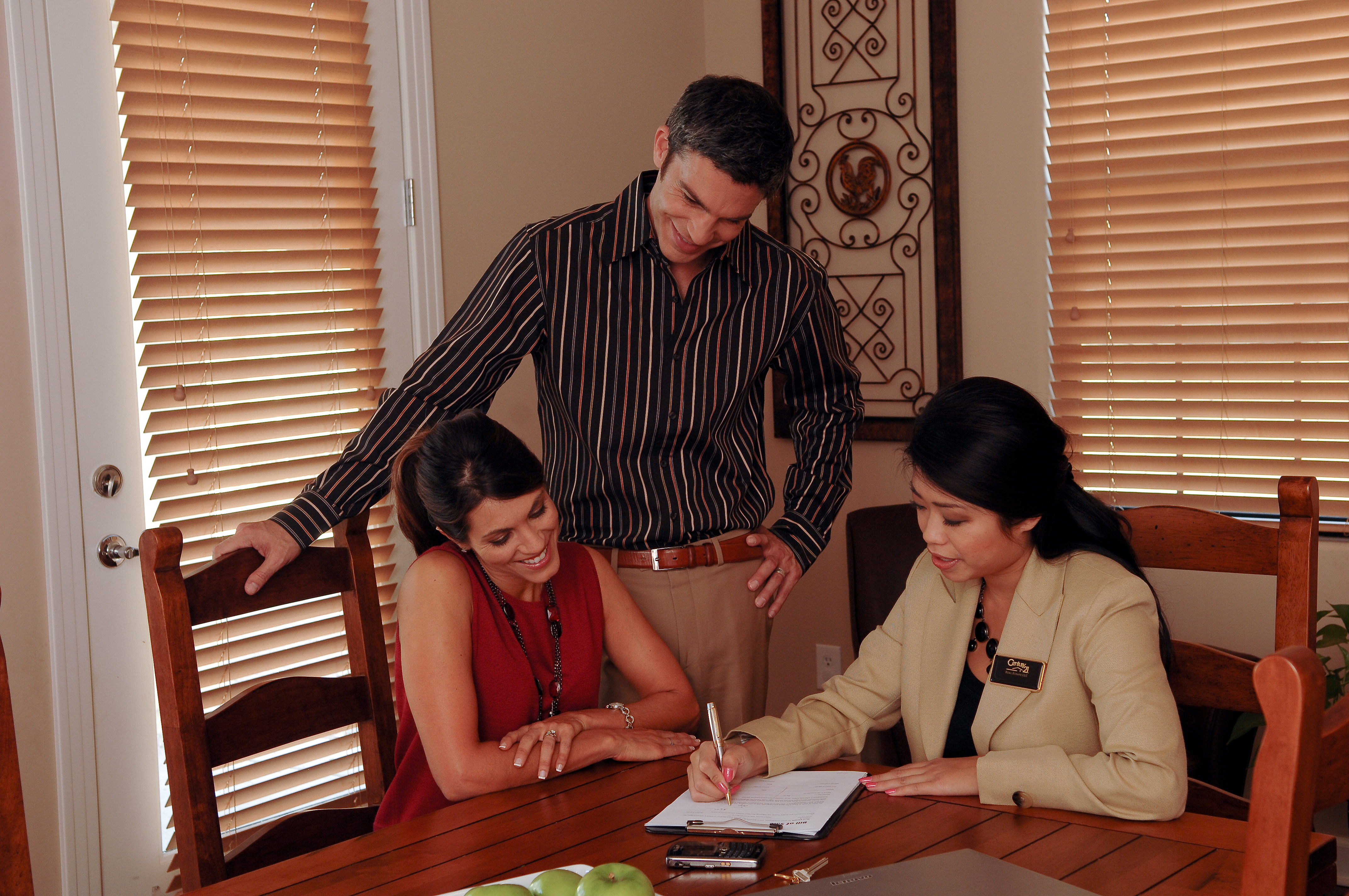
One of the many reasons a home buyer or seller turns to you, the real estate agent, is for negotiation help. They might lack experience and feel insecure when it comes time to talk about money and their potential purchase or sale. While you may have already brushed up on some tactics, realize that negotiating in real estate presents a unique situation. Here are some tips that may help.

Check Your Emotions, Not Theirs
Common advice recommends negotiators to remain unbiased and objective — strong emotions can potentially hurt your deal. However, as a real estate agent, it’s important to remember that emotions do play a part in your business. A home may often be the largest investment in a client’s life. Acknowledge and understand that clients might have a lot at stake, while continuing to remain unemotional during negotiation. Your clients may appreciate that you understand their point of view while maintaining a professional demeanor.

Prepare Your Clients
Whether your clients are the ones buying or the ones selling, get them up to speed on how a typical negotiation occurs. Although you may be responsible for leading the process, you can still make your client feel like a participant. Lay out the procedural steps for them, so there are no surprises or unexpected obstacles. Answer as many questions as possible beforehand so they don’t feel out of the loop or overwhelmed when the negotiation occurs.

Manage Expectations
While you may have good intentions to get your client the best deal possible, don’t promise it. After all, you can’t. A negotiation is a live, working discussion that can take many turns. Make sure your clients understand the worst case scenario by talking to them beforehand about all potential outcomes. As mentioned before, buying or selling a home may be an emotional endeavor for them. Mentally preparing them for less than favorable outcomes takes the shock out of the situation and may reduce mental stress.

Discuss Alternatives
The “worst case scenario” conversation shouldn’t end with a simple acknowledgment of potential outcomes. Create a plan of action just in case those outcomes are realized. What would your client like to do if the buyer won’t budge on an asking price? What would the buyer like to do with certain home inspection results? Deciding on an action beforehand can reduce the time and effort of decision making in the moment, which may lead to more objective, unemotional choices.

Report Facts Only
Since it’s your job to remain detached during this process, make sure you remain that way when reporting negotiation outcomes to your client. If a seller is angered by an asking price, but accepts it anyway, you may want to leave out their emotional response when reporting the offer acceptance. Their reaction is unnecessary to the business transaction, and can only add superfluous feelings of attachment to the process.

Negotiating in real estate can be a high stakes game, but these tips may help you to remain calm while you work out the best deal for your client.

*Article reprinted with permission of Century 21 Real Estate LLC.

Interview with C.A.R. Chief Economist Leslie Appleton-Young

By Joe Lins
February 15, 2016

I had the opportunity to interview California Association of REALTORS® Chief Economist Leslie Appleton-Young after her presentation at the Pacific West Association of REALTORS® February general membership meeting. I asked her three questions about the real estate industry and specifically Orange County real estate.

Those three questions were:

1) What is the biggest disruption facing the real estate industry?

2) How healthy is the Orange County real estate market?

3) What is the biggest opportunity for the consumer in Orange County?

She’s a smart woman and I value her insight. Watch this short video for her responses.


Joe Lins photo


About the author: Joe Lins is President and Co-owner of CENTURY 21 Discovery. If you are interested in becoming part of the CENTURY 21 Discovery team or would like more information about our services contact Joe at 714.626.2069.

Escrow and How It Works

By Nancy Mattaliano-Castaneda
February 2, 2016

Buying a home is a huge undertaking and requires a good understanding of the process. In California, once a buyer and seller agree to the terms of the sale the next step is to open escrow. First time buyers or people who have not bought or sold a home in awhile may not know what escrow is.

Couple taking a break from unpacking

Here is a brief overview of what escrow is and how it works.

What is Escrow?

Escrow is a process that protects the interest of all parties in a real estate transaction, ensuring that all the conditions of the sale have been met before property and money change hands.

Why Do I Need One?

You need escrow to ensure that all parties have complied with the escrow instructions before any funds are disbursed or title is transferred. The escrow company has an obligation to safeguard the funds and/or documents while they are in the officer’s possession and to disburse funds and/or convey title only when all parties have met the terms of the escrow instructions.

What is the Escrow process?

Once a purchase contract has been negotiated to the satisfaction of both the seller and buyer, a legible fully-signed copy is forwarded to the escrow company. The escrow officer will then prepare supplemental instructions and place the earnest money deposit into a trust account. The buyer and seller can move forward separately, but simultaneously, in obtaining inspections, reports, loan commitments, funds, deeds and many other items using escrow as the central depositing point.

Who to Contact with Questions:

Your REALTOR® will answer questions about your purchase contract agreement. Your loan officer will answer all questions about your loan status, conditions of your loan and the loan process. Your escrow officer will help or direct you with any other questions. A good escrow officer understands you will have questions and should be willing to answer them or direct you to the person who can.

nancyofficepic[1]


About the Author: Nancy Mattaliano-Castaneda is an Escrow Officer at Equity Escrow Group, Ltd. in Fullerton, California. For more information about Equity Escrow Group, Ltd. call 714.626.2095 or visit the website www.equityescrow.net.

The Disruptor

By Joe Lins
January 13, 2016

A hot topic of discussion in real estate circles is what will be the next big disruptor in the industry. Will it be some new technology we can’t even imagine yet or a new company we’ve never heard of before?

I believe the disruptor needs to come from within the industry. The disruptor should be something that the industry has failed to do. It needs to be the self-regulation of ourselves to create higher standards that will make us relevant to the client.

What I mean by that is the industry needs to step it up. We all know the licensing requirements to become an agent are minimal and don’t provide the additional skills sets needed to do the best job for the client.

This topic came to the forefront of the conversation when the National Association of REALTORS® (NAR) released the D.A.N.G.E.R. Report back in May 2015. One of my earlier blog posts discussed this topic and how the #1 threat to real estate professionals comes from within the industry.

As REALTORS®, we have to do a better job of taking care of problems within the industry. That means REALTOR® association grievance committees and pro-standards committees have to do a better job. It also means individual REALTORS® have to do a much better job of reporting violations and not letting the violators get by. If we don’t do this then they will continue to be violators and they won’t be motivated to get any better. Not good for the industry and not good for the client. If we don’t do this, we run the risk of the government stepping in and attempting to regulate us. Check out the interview with PWR Director Al Ricci and real estate blogger and analyst Rob Hahn on this topic.

My goal is that CENTURY 21 Discovery will be the big disruptor in the industry in Orange County by providing the additional training and coaching agents need to succeed in this competitive industry. I’m not talking about the latest technology or tool. Everyone should have that by now. I’m talking about the skill sets needed to work in the client’s best interest.  What does that mean? It means communication and negotiating skills, knowledge of industry requirements and most important, adherence to the REALTOR® Code of Ethics.

Only then will professional REALTORS® have the knowledge, skills, morals and ethics needed to give the customer the right information they need to make the decisions that are right for them. The disruption needs to come from within.

Joe Lins photo


About the author: Joe Lins is President and Co-owner of CENTURY 21 Discovery. If you are interested in becoming part of the CENTURY 21 Discovery team contact Joe at 714.626.2069.

Investing In Your Resale by Staging Your Home

By Mary Sauer of Modernize
December 8, 2015

In most regions of the country, it is a seller’s market. In previous years, sellers were doing just about anything they could to get an offer—sometimes even selling their home for less than it was worth. Now things have turned around and homes are selling within days of going on the market. It is definitely a new time for real estate, and we couldn’t be more thrilled. But when it is a seller’s market, that doesn’t mean you can relax your selling strategies. Instead, it is vital you take advantage of the high demand for homes by doing everything possible to attract the highest offer on your home. One way this can be done is by using a professional stager to prepare your home for photos and staging.

Via Modernize

Via Modernize

What is Home Staging?

There are many ways to invest in the resale of your home, but one strategy is to stage your home with the help of a professional. While most homeowners know to declutter their home or move larger items to storage, many do not have the design knowledge it takes to stage their home without assistance. This is where a professional home stage becomes incredibly valuable to the home selling process. A professional home stager is similar to an interior designer, except they specialize in creating a simple space where potential buyers can imagine their own furniture and belongings.

How do I Find a Home Stager?

If you are looking for a professional home stager, asking for a recommendation from your realtor is a great place to start. Many realtors, including Century21, offer home staging services to their clients. Their experiences realtors can work with you to create a beautiful and simple space before you place it for sale.

If your realtor does not offer specialized home staging services, they will most likely be able to recommend a professional they trust to stage your home. The average home staging service costs $625, and this number can vary greatly based on the size of your home and how much work must be done to prepare your home for walk-throughs.

Via Modernize

Via Modernize

Is Home Staging Really Worth it?

In some cases, homeowners wonder if home staging really worth the extra expense. The truth is, staging is vital to attracting the right buyer to your home. According to buyers surveyed by Realtor.com, as many as 46 percent of families who first look at homes online are more likely to schedule a walk through if the pictures are staged. In addition to this, 81 percent of buyers revealed they had a much easier time imagining their family and their belongings in a home when it had been professionally staged.

Getting buyers in the door and peaking their interest aren’t the only benefits to home staging—it also seems to increase the dollar amount of offers. The average increase in selling price is between 1 and 5 percent, which greatly exceeds the money spent on staging.

At Modernize, we know how small changes can make a big impact on the appearance of your home. Because of this, we encourage our readers who are selling their homes to consider working with a professional home stager who can help them get more potential buyers in the door and increase the selling price of their homes.

About the Author: Mary Sauer is our Guest Blogger who works at Modernize. Modernize is where you come to get inspired, see what’s possible, and connect with a professional who will make your dream home a reality.

How to Stage Your House Over the Holidays

By Guest Blogger
November 11, 2015
This was originally published on the official blog of Century 21® on November 3, 2015 *

Selling your home during the holidays doesn’t mean you have to hold back on the festivities. Let your home shine while attracting buyers during the most wonderful time of the year with these seasonal touches.

HolidayStagingBlogPic

Deck the halls:

Don’t let selling your home stop you from spreading the holiday cheer. Subtle hints like a welcoming evergreen wreath at the front door, mulled cider brewing on the stovetop or hand-sewn stockings hanging from the fireplace awning gives the space a jolt of spirit.

Trim the tree:

Usually the most eye-catching piece of the living room during the holiday season, make sure your spruced-up Christmas tree matches the aesthetic you want to sell to potential buyers. If your living room has a clean-cut scheme with ivories and whites, for example, make sure your baubles fall under the same color palette.

Tone it down:

As tempting as it is to blow up some lawn ornaments to celebrate the season, it’s best to go for a minimalist approach during this crucial selling time. Neatly highlight the defining elements of your home’s exterior with snow-white lights or hang a fresh garland with bright red bows from your rooftop or mailbox.

Warm up:

Before open houses, make sure your home feels as cozy as possible. Now’s the perfect time to light a fire in your fireplace and warm up your home. If your home is lacking the fiery centerpiece, turning up the thermostat to a comfortably toasty level gives potential buyers extra incentive to linger for a while to escape the brutal cold outside—and allows them to fully digest the best qualities of your home.

Tune up:

Fill up the hallways with contemporary holiday classics while potential buyers are roaming the halls. Make a mix of festive favorites: go old-school with Frank Sinatra’s “White Christmas” or Natalie Cole’s take on “The Christmas Song”…or just play Mariah Carey’s “All I Want for Christmas (Is You)” on a loop.

Feed the masses:

The best way to make somebody feel at home—potentially at their future home—is through their stomach. Whip up some holiday-themed cookies and mocktails to serve during your open house; the extra hint of hospitality will keep you in the mind of prospective buyers even after the last present is unwrapped during the holidays.

*Article reprinted with permission of Century 21 Real Estate LLC.

5 Places You Forgot Potential Buyers Will Check

By Guest Blogger
October 15, 2015
This was originally published on the official blog of Century 21® on October 14, 2015 *

An open house is a crucial component of the home sale process. Start with these tips for staging an open house, but don’t stop there. Potential buyers are likely to inspect all areas of the house. Yes, even your “junk drawer” and closets. Here’s a list of five often forgotten places that potential homeowners may check.

C21_Oct_Batch1_Blog-Closet

The sides of your house

When you spruce up your front yard and backyard, pay attention the sides of your home as well. Potential buyers will likely look at the exterior of your house from all angles. One unkempt side may turn them off from the rest of the home. Make sure the paint and landscaping is in good condition from all angles.

Inside your closets

Don’t stuff everything in your closets and hope no one will open them. Even if the potential buyers aren’t fashionistas, they may still care about closet space. Show it off by organizing it. You wouldn’t want a potential buyer to open a closet just to find a hodgepodge of the belongings you stashed there.

Under your bed

Removing the bulk of storage from your closets is a great way to make closet space appear bigger, but that doesn’t mean your stuff should be shoved under the bed. Not only is it an eyesore, but the potential homebuyer might also see it as a sign that there is not enough storage space. Your best bet is to invest in temporary external storage space so that your open house has all the space it needs.

Inside the shower

Chances are no one wants a small, cramped bathroom. Create storage solutions that may make your space appear bigger and brighter to buyers. For example, stash toiletries and cleaning supplies in a separate closet, a dresser, or under the sink.

Your drawers and cabinets

Potential buyers will probably open drawers and cabinets. Spend time getting inspired by these home organizers. Think about all of the details like your spice rack, whether your dishes match, and finally taming your “junk drawer.” In need of more inspiration? Our Pins may help!

Go the extra mile, and don’t get caught off guard. You wouldn’t want to scream a slow motion “nooooo” as a potential buyer innocently reaches to open a closet.

*Article reprinted with permission of Century 21 Real Estate LLC.

Dealing With Multiple Offers

By Jim Stearman, Attorney at Law
August 27, 2015

In a hot real estate market, it is not uncommon for multiple offers to flood into the listing agent’s inbox. Effectively dealing with multiple offers is the sign of a good agent who is looking out for the best interests of his or her sellers. When you receive multiple offers, it is wise to get your manager involved. If a mistake is made, your clients may be put in the position of selling their house twice so you should take the extra step of protecting you and your clients before they start making phone calls to you to find out what went wrong.

By making a counter offer to all offers received, accusations of discrimination or unfairness can be avoided. The sellers, of course, have the option of accepting one of the offers or negotiating with only one or two of the buyers but, in most cases, issuing a counter offer to all prospective purchasers will usually result in a better price for the sellers.

Couple_WFAgent9

To avoid selling the house twice, it is recommended that you use C.A.R. Form SMCO, Seller Multiple Counter Offer, when counter offers are going to be made to multiple offers. This form contains the necessary language to protect the sellers by informing the buyer that sellers are making multiple counter offers to other prospective buyers and that certain conditions must be met by the buyers for the counter offer to be deemed accepted. Many agents feel that you should not counter back on price but, instead, should ask all buyers to bring back their “best offer”. At that point, the sellers would hopefully be in a position to accept at least one of the multiple counteroffers. You can always negotiate upon terms other than price but you may lose buyers if your sellers counter with another price in response to the buyer’s “best offer” price.

When you’re representing the sellers of a home that will likely receive multiple offers, you can really help them out by getting them ready to make a good decision. Some of the things that could help them would be a review of their financial situation and to find out what is important to them. It could be that your clients would rather receive a lower offer with no contingencies that will close quicker than a higher priced offer that won’t close for several months. Just remember to tell your clients that you are there to guide them through the process and to help them get the result that is best for them but that they are the ones that will ultimately make the decision on which offer is best for their needs.

DISCLAIMER: This article has been prepared for general information purposes only. The information in this article is not legal advice. Since legal advice is dependent upon the specific circumstances of each situation, please contact an attorney for a consultation on your matter if you have any questions.

About the author: Jim Stearman is an attorney in North Orange County, California with over 35 years of experience. His areas of expertise include real estate transactions, general civil law disputes, business and commercial transactions, partnership law, corporate law and enforcement of judgments and collections. For more information about Mr. Stearman please visit his website www.jamesstearmanlaw.com.

Mobile Apps for Real Estate Agents

By Stephanie Goedl
July 30, 2015

Mobile  Apps….what would we do without ‘em? As REALTORS® we have a multitude of apps to help us in our business. Here are some of my favorites that I recommend to the agents in our office:

MobileApps

Open Home Pro
This app that you download to your tablet device allows you to capture contact info of the visitors that come into your Open House. After you upload photos of the home into the app it provides a slide show of the property for your open house visitors to view. It also has a feature that allows you to automatically send a thank you email to that lead after they leave the Open House. I suggest you place the tablet with slide show running on the counter or dining table near the entrance so visitors can sign in.

Videolicious
This app allows you to create and edit videos on your iPhone or iPad. You can email the video directly from the app or publish to Facebook, Twitter or YouTube.  With this user-friendly app you can create agent profile videos, client testimonial videos and property or community videos. They have an amazing customer support team that responds quickly to email questions. It’s a great way to connect with your clients via video.

Dropbox
This service allows you to take your documents, files, photos & videos anywhere and share them easily with other people. This service is available as a desktop and a mobile app so you can access it anywhere.  The nice part about this app is that it lets you share files that would be too large to email. Dropbox offers 2 GB for free. You can purchase more storage space if needed. This is a must for professionals on the go.

Typic
This app allows you to add filters, effects and text to photos.  My favorite feature is the ability to add your logo to the photo for a small upgrade fee. This is great if you are using photos across multiple social media platforms. Your photos will have your logo embedded on them and will look like they were professionally done.

Below is a short video with an overview of 4 additional apps that will help you in your business.

MobileAppVideo

About the author: Stephanie Goedl is the Chief Operating Officer of CENTURY 21 Discovery. For more information about CENTURY 21 Discovery you may call (714) 626-2000.

The #1 Threat to Real Estate Industry

By Joe Lins
June 29, 2015

The National Association of REALTORS® (NAR) recently released the D.A.N.G.E.R. Report which stands for Definitive Analysis of Negative Game Changers in Real Estate. You can download a copy of the report HERE. NAR commissioned Swanepoel | T3 Group, an outside management consulting firm, to conduct an analysis of the threats, opportunities and trends in the real estate industry.

While there were many threats to the industry and our profession from outside the industry, there was one huge threat mentioned in the 160+ page report that comes from within the industry. According to the DANGER Report, the #1 threat to real estate professionals and the industry as a whole are other agents who are unqualified and/or incompetent. The Report says, “The real estate industry is saddled with a large number of part-time, untrained, unethical, and/or incompetent agents. This knowledge gap threatens the credibility of the industry.”

DangerSign2

The Report cites the low state requirements to become a licensed real estate agent. The national average to get a license requires a measly 70 hours of training. Having the bar set so low to enter the profession or even remain in this profession is a recipe for trouble. Agents are allowed into the business with a very basic knowledge. That’s okay, you have to start somewhere. The problem is the brokers who hire these agents without providing any additional training or oversight and just letting them loose on the streets.

I see it firsthand every day. In California we have many forms and requirements that are constantly changing. What happens when the broker does not provide the ongoing supervision or training or insist the agent get it from through their local association? I can tell you from experience with agents from other firms, at times it isn’t pretty.

We recently had a new Residential Purchase Agreement (RPA) roll out in California. Our Executive Leadership team knew it was coming and prepared our agents over the course of several months by providing training on the new RPA. About a week after it went into effect, I got a phone call from one of our agents who was in a transaction with an agent from another firm. That agent knew nothing about the new RPA and didn’t know how to complete it. Our agent asked if we would be willing to train the other agent on the new RPA. I said “Absolutely!” A well-trained agent is good for everyone involved including the industry.

I’m not looking forward to the roll out of the new TRID requirements later this year. Not because it’s a new requirement. We’ve been talking to our agents about this for weeks and they will be receiving training so they are ready for the change. I’m dreading it because I know that most agents on the other side of the transaction will not have a clue. When that happens the person who will be the most vulnerable and frustrated will be the client. Their dissatisfaction is a negative impact on our profession and industry.

Yes, the training to become a license real estate agent is minimal. That is why it’s up to each broker and real estate association to have higher requirements to be affiliated with them. Every market and state is different but there needs to be a consensus from the leaders in this industry to raise the bar and hold the Brokers who don’t, accountable.

For those of us who believe this is a true profession and one that we consciously chose, this should be a no-brainer.

Joe Lins photo


About the author: Joe Lins is President and Co-owner of CENTURY 21 Discovery. If you are interested in becoming part of the CENTURY 21 Discovery team contact Joe at 714.626.2069.