marketing

Why Real Estate Agents Need a LinkedIn Account

By Suzy Lins
February 21, 2025

In today’s digital world, having a LinkedIn account is no longer optional for professionals—including real estate agents. While platforms like Instagram, Facebook, and TikTok are great for showcasing properties, LinkedIn offers unique benefits that can elevate your business, expand your network, and establish your authority in the industry. Plus, people on LinkedIn have a different mindset than just the scrolling they do on other social media platforms. They have a business mindset. Here’s why every real estate agent should have an active LinkedIn presence.
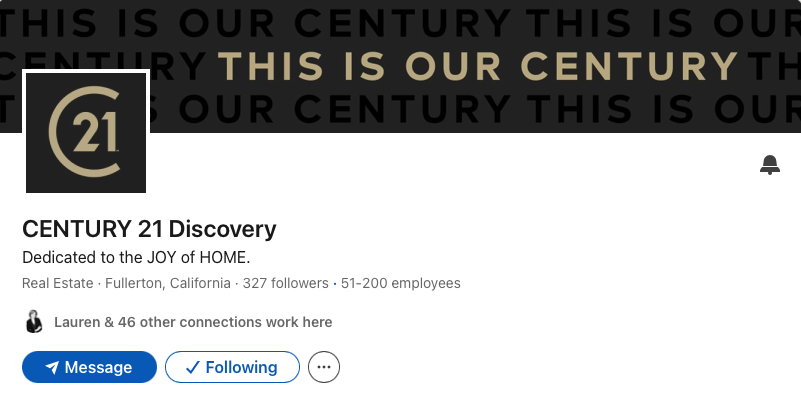
Establish a Professional Online Presence

Your LinkedIn profile serves as your digital business card. A well-optimized profile helps you present yourself as a credible and knowledgeable real estate professional. Potential clients, referral partners, and other industry professionals can easily find and learn about your experience, specialties, and achievements.

Expand Your Network and Build Relationships

Real estate is all about relationships. LinkedIn provides a platform to connect with other agents, mortgage lenders, home inspectors, investors, and potential clients. Expanding your network opens the door to new business opportunities, partnerships, and referrals that can help grow your real estate career.

Showcase Your Experience and Achievements

Unlike other social media platforms, LinkedIn provides a structured way to highlight your professional accomplishments. You can display your successes, certifications, awards, and client testimonials, giving prospective clients confidence in your abilities and expertise.

Photo Courtesy of Canva Pro

Position Yourself as a Thought Leader

Sharing market insights, home-buying tips, and real estate trends on LinkedIn positions you as an industry expert. Posting valuable content keeps your connections engaged and establishes your reputation as a knowledgeable and trustworthy professional in the field.

Boost Your Online Visibility

A fully built-out LinkedIn profile can help improve your search engine rankings. When someone Googles your name, your LinkedIn profile often appears at the top of search results, giving potential clients another avenue to learn about you and your services.

Leverage Endorsements and Recommendations

Client testimonials and peer endorsements add credibility to your profile. LinkedIn allows past clients, colleagues, and business partners to leave recommendations, which serve as powerful social proof that you’re a trusted and competent real estate agent.

Integrate with Your Other Marketing Efforts

Your LinkedIn profile complements your overall marketing strategy. You can share blog posts, link to your real estate website, promote your listings, and connect with potential clients in a professional setting. It serves as a central hub for your expertise and a way to direct traffic to your other online platforms.

Final Thoughts

LinkedIn is a powerful tool that can help real estate agents build their brand and grow their business. If you don’t already have a LinkedIn profile, now is the time to create one and start leveraging the platform to boost your career.

Suzy Lins

About the author: Suzy Lins is the Communications Director for CENTURY 21 Discovery and a Business Etiquette Consultant. For more information about CENTURY 21 Discovery you may call (714) 626-2000.

From Likes to Listings: The Real Estate Agent’s Guide to a Social Media Audit

By Suzy Lins
January 21, 2024

Are you ready to be audited? Not by the IRS, but by yourself. It’s time for a social media audit! A social media audit is a review of all your business’s social media platforms, looking at various factors. I will break down the process here.

Photo Courtesy of Canva Pro

Make a List

Open a spreadsheet, Google Docs, or Notepad and write down all your social media accounts. List the name or handle of your account. The handle is your @[name of account]. It’s best to keep all your social media handles the same or as similar as you can. Sometimes that won’t be possible if your handle is taken on a specific platform. Consider changing any handle that does not match the others.

Brand Review

Next, write down how many followers you have and review the accounts for brand consistency. Look to see if you have the same information across all your profiles. This includes the profile photo, logo, bio, and any other information allowed in the profiles. Update accounts to create a uniform look across all your social media platforms.

Note any accounts that you do not post to or engage on. If you have an account you haven’t posted on in a while, consider deleting the account. If you’d rather not delete it, you can post to inform your followers that it’s not an active account and direct them to the platform where you are active. This allows you to keep the account handle if you decide to start posting to it in the future.

Content Review

Next up is to review the content of your social media accounts. Include the type of content you are posting and the frequency. Make note of the content that is getting engagement. This is not just the number of likes. Look at the comments and how many times a specific post was shared. Look for patterns. Are your video posts getting more engagement than a photo post, or is it the opposite? If you really want to see what’s working and what is not, take a deep dive into the metrics of each post to analyze the impressions, reach, and engagement.

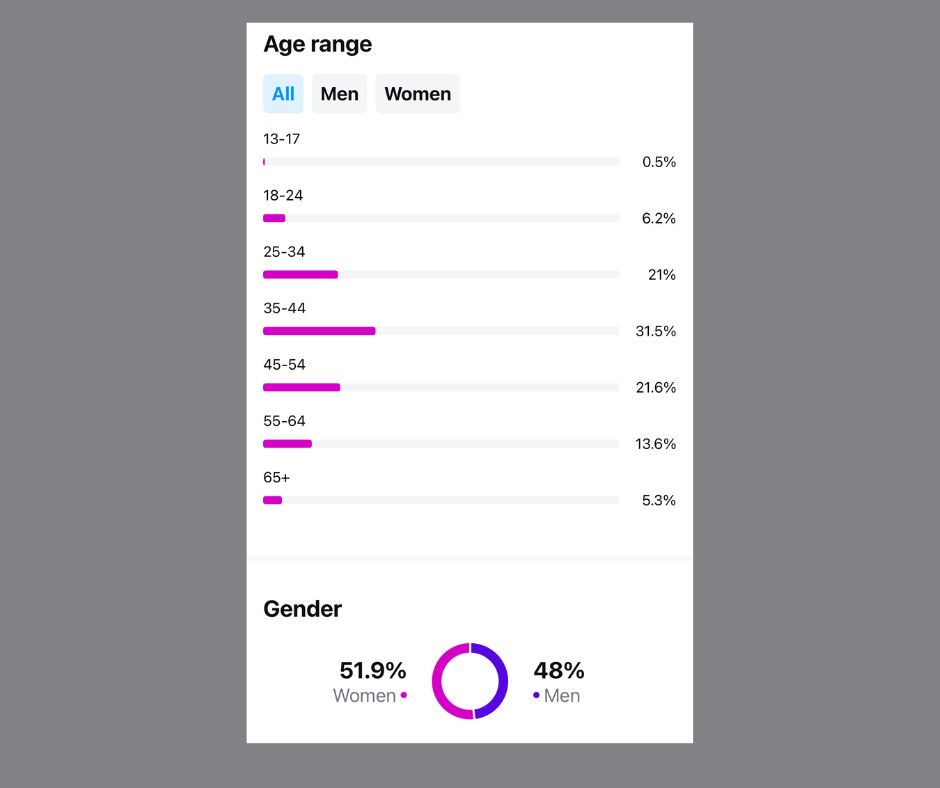
Audience insights from an Instagram account.
Audience Insights

Audience Insight

Check the insights on your account to understand your audience’s demographics and what type of posts resonate with them. You will be able to see your audience’s gender, age range, and top locations. You can also see what days of the week and times they are most active.

Once you have an idea of your audience, create a “persona” of your ideal client. A persona is a fictional character that represents a target client. Personas help you understand your customers’ needs, behaviors, and pain points. This persona will guide you as you develop your social media strategy and the types of posts you will create.

Competitor Review

Take a look at what your competitors are doing on social media. Identify what types of content are resonating with their followers and see if you can incorporate something similar into your social media content.

Goals

Once you’ve got a handle on where you are right now in your social media journey, you need to decide where you want to go. What are you trying to accomplish with your social media? Below are suggestions for types of goals that will help your career. Pick the ones that will help your business and that you will actually do. Then, develop your social media strategy around those goals.

Build a Strong Personal Brand

  • Showcase your expertise and personality to stand out in a competitive market.
  • Establish trust and relatability with their audience.

Generate Leads

  • Attract potential buyers and sellers through engaging content.
  • Use targeted ads or organic reach to expand their network.

Showcase Listings

  • Highlight properties for sale or rent through visually appealing posts.
  • Use video tours, before-and-after staging photos, or carousel posts to engage potential clients.

Educate Your Audience

  • Share market updates, home-buying tips, and selling advice.
  • Post content that addresses FAQs, such as “How to Get Your Home Ready for Sale.”

Engage with the Community

  • Build connections by promoting local businesses, events, and neighborhoods.
  • Position yourself as the community expert.

Increase Referrals and Word of Mouth

  • Stay top of mind with past clients and encourage them to share content or refer others.

Establish Credibility

  • Share testimonials, reviews, and success stories.
  • Highlight certifications, awards, and years of experience.

Humanize Your Business

  • Post behind-the-scenes content to show the human side of your work.
  • Celebrate milestones or share personal stories to connect with the audience on a deeper level.

Foster Client Relationships

  • Use direct messages and comments to engage one-on-one with clients and prospects.
  • Offer quick responses to inquiries or questions in a professional and friendly manner.

Leverage Visual Content

  • Use Instagram Reels, TikTok videos, or Facebook Lives to showcase dynamic, short-form content.
  • Post high-quality images and videos to make a lasting impression.

Ideally, a social media audit should be done quarterly if not monthly. I realize that sounds like a lot of work, but now that you’ve done all the heavy lifting, it’s just a matter of revisiting your content to see if it’s aligning with your goals and performing. If not, you can make adjustments to optimize your strategy. Incorporating this into your workflow or delegating it to an assistant will ensure that your social media is working in your favor and those “Likes” are turning into “Leads”.

Suzy Lins

About the author: Suzy Lins is the Communications Director for CENTURY 21 Discovery and a Business Etiquette Consultant. For more information about CENTURY 21 Discovery you may call (714) 626-2000.