Escrow

So Your Client Is an Entity

The Importance of the Representative Capacity Signature Disclosure

By Amy Leonhardt
July 2, 2024

Person signing holding a pen and signing a document

Real estate transactions involving trusts require a nuanced understanding of legal procedures, one of which is the Representative Capacity Signature Disclosure (RCSD). This document (used with entities such as LLCs, POAs, or partnerships, but most often with trusts) is important when a trust is involved in a real estate transaction because it confirms the authority of an individual to sign real estate documents legally on behalf of a trust. This validation of entity and signer makes the transaction legally binding for the entity, while relieving the individual signer from any legal obligation. If the seller or buyer is correctly identified in the C.A.R. form by entity name and signer name, the full and correct Trust name is provided on the signature page, and the “Entity Buyer” or “Entity Seller” box is checked, then the RCSD is not needed. However, it is often requested by escrow due to one or more of those requirements not being met. To ensure buyer, seller, agents, their brokers, and escrow are protected, your escrow officer may request the RCSD if there are any questions regarding the signer’s legal authority. 

To complete an RCSD, agents must ensure that the trust documentation is in order. This includes the original trust agreement and any amendments that may have occurred over the years. The most recent version of the Trust is needed in order to complete the RCSD and provide for review to the title company. These documents outline who has authority to act on behalf of the trust. Getting these items at the beginning of a transaction ensures not only that the RCSD will be completed fully and accurately but also that escrow documents will be prepared correctly and quickly, with accurate signature lines. The RCSD should be completed and submitted early in the transaction process. If there are any questions regarding the RCSD completion, check with legal professionals who specialize in trusts and estates. They can provide guidance on the RCSD and ensure all legal requirements are met.

By understanding and correctly utilizing the Representative Capacity Signature Disclosure in your transactions involving trusts, you can provide exceptional service to your clients, ensuring that all legal aspects of the transaction are handled correctly and efficiently.

About the author: Amy Leonhardt is an escrow assistant for Equity Escrow Group, Ltd. in Fullerton, California. For more information on the services provided by Equity Escrow Group please contact them at 714.626.2095 or visit their website www.equityescrowgroup.com
Avoiding Delays in Escrow

By Amy Leonhardt
April 2, 2024

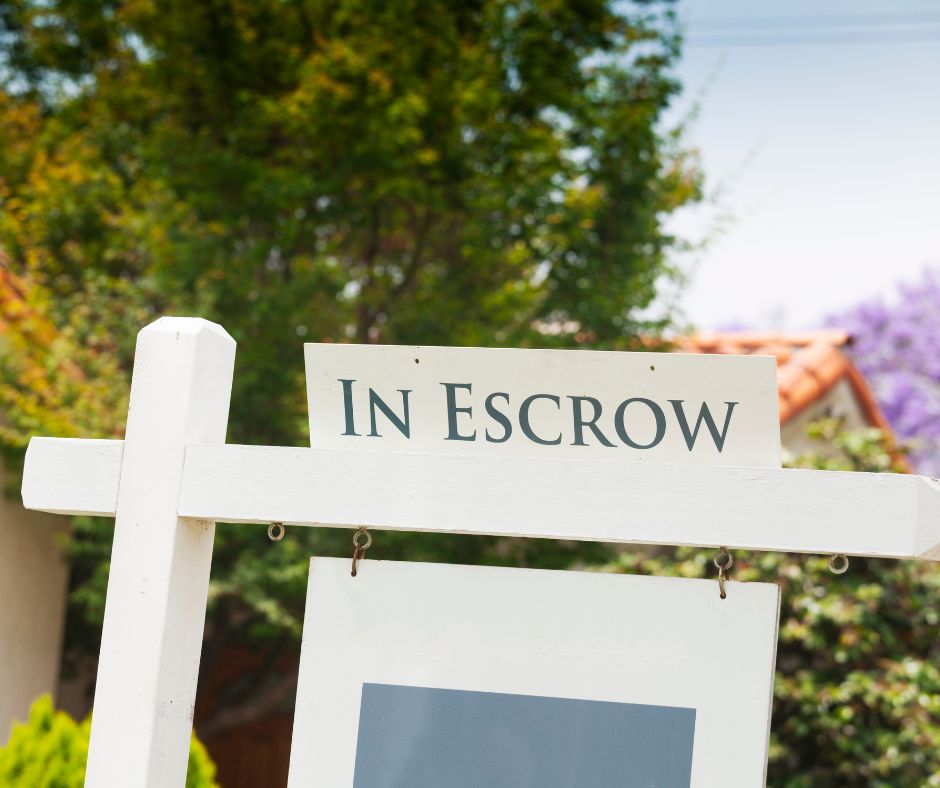
For Sale sign with "In Escrow" sign attached
Photo Courtesy of Canva Pro

Navigating the escrow process efficiently is crucial to ensure a smooth and timely transaction for your client. Delays in escrow can be frustrating for all parties involved and can potentially derail an otherwise-simple sale. To minimize the possibility of delays, keep the following strategies top-of-mind:

Thorough Preparation: 

Before escrow begins, ensure all necessary documents are in order. This includes Preliminary Title Reports, list of transaction details, property inspections, any entity documentation if applicable, and disclosures. Providing escrow with contact information for your client means the earnest money deposit can be sent in quickly and escrow packages can be sent out seamlessly. Anticipating what is needed and having it ready can save valuable time in the transaction.

Effective Communication: 

Keep open lines of communication with all parties, including buyers, sellers, lenders, and escrow officers. Regular updates can prevent misunderstandings and provide opportunities to address any potential issues promptly before they become major headaches. A timeline that outlines key dates, such as inspection periods and loan approval deadlines, can help keep everyone on the same page. If there are any questions during the escrow process, reach out to your escrow officer for clarification or correction.

Understanding Financing: 

Delays often occur due to financing issues. Buyer’s agents should familiarize themselves with the client’s financial situation and the specifics of their loan process. Encourage buyers to get pre-approved by a reliable lender and to understand their loan timeline.

Proactive Problem-Solving: 

Issues such as repairs following an inspection can cause delays. By proactively addressing these issues and quickly providing any addendums to escrow, the transaction moves seamlessly on to the next stage.

Expert Assistance: 

Of course, things don’t always go as planned, and when complex issues arise, don’t hesitate to seek help from experienced professionals like a title officer, tax advisor, or legal expert when needed. Their expertise can be invaluable in navigating complex situations. 

With everyone working toward the same goal–a timely closing and happy clients–keeping these simple strategies in mind will ensure a positive outcome. 

About the author: Amy Leonhardt is an escrow assistant for Equity Escrow Group, Ltd. in Fullerton, California. For more information on the services provided by Equity Escrow Group please contact them at 714.626.2095 or visit their website www.equityescrowgroup.com

Escrow and How It Works

By Nancy Mattaliano-Castaneda
February 2, 2016

Buying a home is a huge undertaking and requires a good understanding of the process. In California, once a buyer and seller agree to the terms of the sale the next step is to open escrow. First time buyers or people who have not bought or sold a home in awhile may not know what escrow is.

Couple taking a break from unpacking

Here is a brief overview of what escrow is and how it works.

What is Escrow?

Escrow is a process that protects the interest of all parties in a real estate transaction, ensuring that all the conditions of the sale have been met before property and money change hands.

Why Do I Need One?

You need escrow to ensure that all parties have complied with the escrow instructions before any funds are disbursed or title is transferred. The escrow company has an obligation to safeguard the funds and/or documents while they are in the officer’s possession and to disburse funds and/or convey title only when all parties have met the terms of the escrow instructions.

What is the Escrow process?

Once a purchase contract has been negotiated to the satisfaction of both the seller and buyer, a legible fully-signed copy is forwarded to the escrow company. The escrow officer will then prepare supplemental instructions and place the earnest money deposit into a trust account. The buyer and seller can move forward separately, but simultaneously, in obtaining inspections, reports, loan commitments, funds, deeds and many other items using escrow as the central depositing point.

Who to Contact with Questions:

Your REALTOR® will answer questions about your purchase contract agreement. Your loan officer will answer all questions about your loan status, conditions of your loan and the loan process. Your escrow officer will help or direct you with any other questions. A good escrow officer understands you will have questions and should be willing to answer them or direct you to the person who can.

nancyofficepic[1]


About the Author: Nancy Mattaliano-Castaneda is an Escrow Officer at Equity Escrow Group, Ltd. in Fullerton, California. For more information about Equity Escrow Group, Ltd. call 714.626.2095 or visit the website www.equityescrow.net.